
The Junction: Stories from Ensley, Alabama – Janice Houston Nixon
Bradley Spears
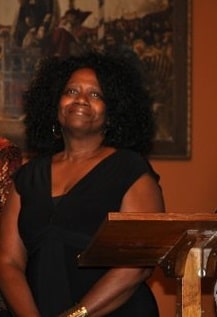
Janice Houston Nixon
In 1967, 12-year-old Janice Houston Nixon decided to transfer from the all-black school in her native Ensley, to an all-white school nearby. Nixon was inspired to do so by her sister, integration pioneer Carolyn Houston Crumbley Major, who we profiled in a previous episode of The Junction: Stories from Ensley, Alabama. In this latest installment of the series, Nixon talks about her own experience with school desegregation.
“Well, in 1967, I decided that I wanted to follow in the footsteps of my sister. So me, and four other neighbors, and one other girl, we decided to enroll into Minor Elementary School. Minor was totally white. We were called every name that you can think of. And we were young, and we felt all that.
I did have some spit balls thrown at me, but, you know, that didn’t hurt me. It just kind of made you feel bad that people actually felt that you were just so much under them – you were such a lesser person than they were.
I didn’t call names back. And I think that was a good thing, because you don’t know how that could have escalated. I just went on by my way: If I was doing my work, I did my work. If I was walking down the hall, I just continued to walk down the hall. You know, they would move – they see you coming down the hall, they’ll move to the side. You know, ‘Here comes the N.’ And they just spread out like you had a disease. But, you know, that didn’t kill me. I just kept going.
When you’re there for the right reasons, when you got God on your side, the name calling is just another step closer to God, to me.
Bradley Spears
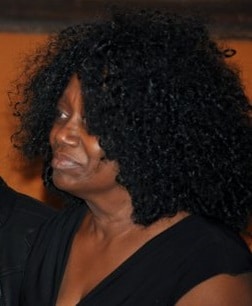
Janice Houston Nixon
But by the time I left there, I had people that – I wouldn’t say friends, but people that you can associate with. You know, there was always somebody that was gonna be totally against you being there. But then there were some nice ones that we actually connected with. No house visits, or anything like that, but you did have somebody that you could talk to.
It was a surprise that so many people were actually, you know, associated with me. Because at that time, it was just so much racial tension. So you kind of had to wonder if everybody’s gonna be resistant. Or will they change when their friends come around? So you have to look at that too: Not only are you friends with me now, are you talking with me now because your other friends are not present?
I think that the ones that actually talked to me, I think they were real. Because they remained the same, even when their friends came by. And then there were some that would call them ‘N-lovers’ – I don’t even like saying that name. So even in spite of that, they still remained the same.
The principal was Roy Higginbotham, and Mr. Roy Higginbotham was very kind. He had a huge smile. And he treated me like he would treat any other student. I think sometimes he maybe even went overboard because he knew the battle that we had to go through, being there.
I worked in the principal’s office, and I became friends with the principal’s daughter. She was white. Her name was Dianne Higginbotham. We spent a lot of time together at school, and in her father’s office. I pass that school quite often, and I look up where his office sat, and it just brings back a whole lot of memories ’cause I can see me actually sitting there.
You can have a black kid and a white kid, small, and they can play, and they can love on each other so hard. But as they get older, and society starts telling them: ‘You shouldn’t talk with them,’ then they change.
I don’t think that people are actually born being racist. I think it’s learned, it’s taught.
But you know what? Thank God everybody don’t change. Some people still continue to have that love for each other.”
Listen to Janice and her daughter Kimberly sing at a tribute for Carolyn Houston Crumbley Major – the sister who inspired Janice to participate in school integration:
This story is part of The Junction: Stories from Ensley Alabama. For more about the series, visit junctionstories.com. The Junction is produced by Mary Quintas and brought to you by WBHM and Finding America, a national initiative produced by AIR, the Association of Independents in Radio, Incorporated. Financial support comes from the Corporation for Public Broadcasting, the Wyncote Foundation, the John D and Catherine T MacArthur Foundation, and the National Endowment for the Arts.
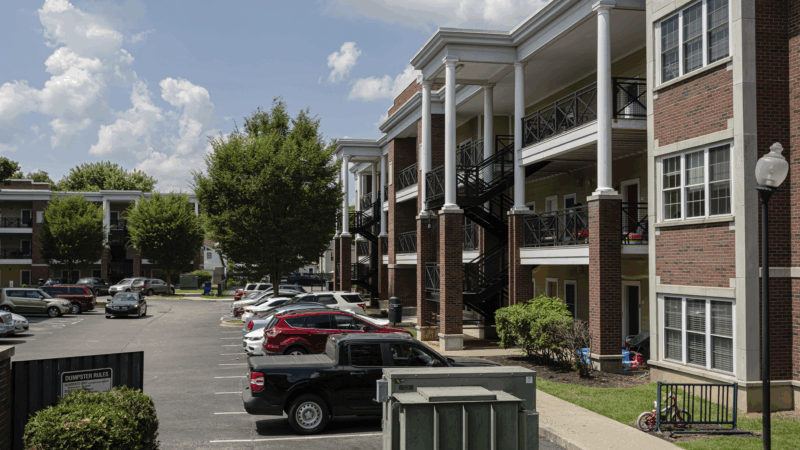
HUD proposes time limits and work requirements for rental aid
The rule would allow housing agencies and landlords to impose such requirements "to encourage self-sufficiency." Critics say most who can work already do, but their wages are low.
Paramount and Warner Bros’ deal is about merging studios, and a whole lot more
The nearly $111 billion marriage would unite Paramount and Warner film studios, streamers and television properties — including CNN — under the control of the wealthy Ellison family.

A new film follows Paul McCartney’s 2nd act after The Beatles’ breakup
While previous documentaries captured the frenzy of Beatlemania, Man on the Run focuses on McCartney in the years between the band's breakup and John Lennon's death.
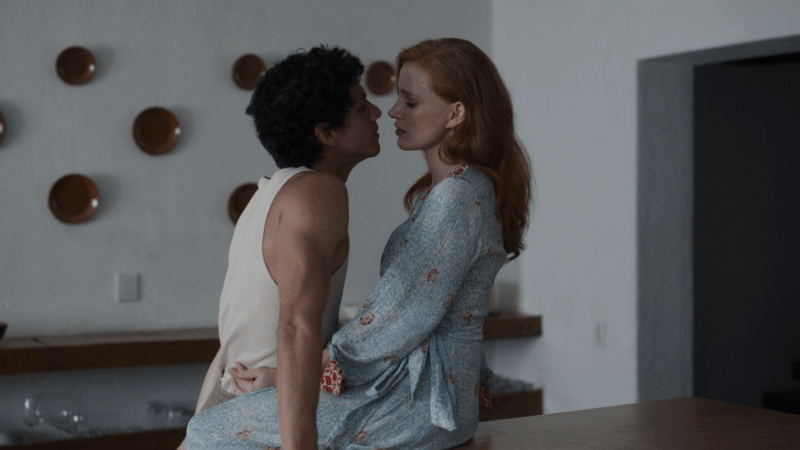
An aspiring dancer. A wealthy benefactor. And ‘Dreams’ turned to nightmare
A new psychological drama from Mexican filmmaker Michel Franco centers on the torrid affair between a wealthy San Francisco philanthropist and an undocumented immigrant who aspires to be a dancer.
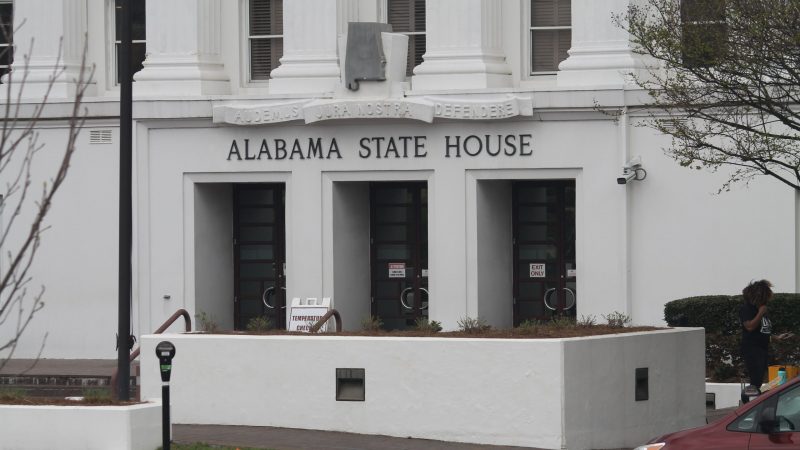
Bill making the Public Service Commission an appointed board is dead for the session
Usually when discussing legislative action, the focus is on what's moving forward. But plenty of bills in a legislature stall or even die. Leaders in the Alabama legislature say a bill involving the Public Service Commission is dead for the session. We get details on that from Todd Stacy, host of Capitol Journal on Alabama Public Television.
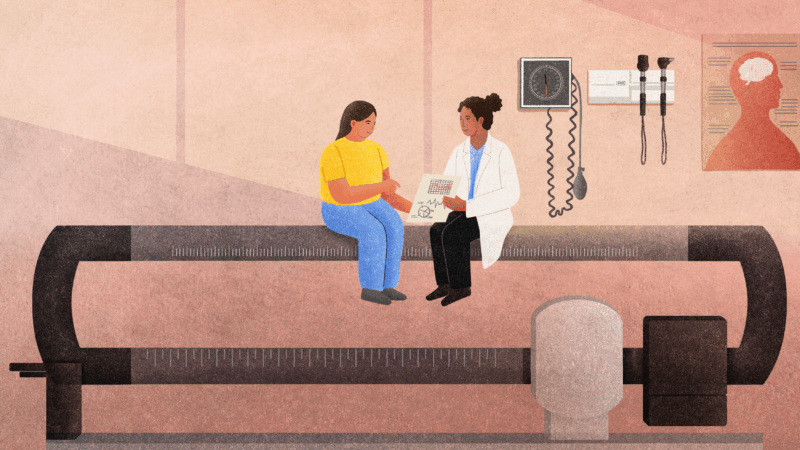
My doctor keeps focusing on my weight. What other health metrics matter more?
Our Real Talk with a Doc columnist explains how to push back if your doctor's obsessed with weight loss. And what other health metrics matter more instead.
