
WBHM Reporters Discuss Their Favorite Stories From the Past Year
WBHM’s news team is hard at work each day, bringing you in-depth radio stories you won’t hear anywhere else. In this program, we showcase some of the best work from WBHM over the past year, and each reporter gives WBHM news director Rachel Osier Lindley a behind-the-scenes look into their reporting process.
Sarah Delia discusses her award-winning story “Restoring the Lyric.” As officials work to restore the Lyric Theatre in downtown Birmingham some obstacles could be expected: funding the project, removing lead paint and plumbing issues. But there are tougher, less obvious challenges too. When the Lyric opened in 1914, Birmingham was a city with lines of segregation and the theatre reflects that. So how do you faithfully restore a historic building still physically marked by the city’s racist past?
WBHM education reporter Dan Carsen explores the challenges he faced reporting “Homebound Student Doing Much More Than Surviving,” the story of Joseph Walter. Walter suffers from Pompe disease. It’s a rare and often fatal illness that attacks the heart and skeletal muscles. Many people with the early onset form don’t survive past childhood. But Walter is not only surviving, he’s thriving, and just finished his first year of college. Carsen’s story won two Regional Edward R. Murrow Awards — for Best Use of Sound and Best Feature Reporting.
Andrew Yeager talks about his story “Remembering Bloody Sunday as the Voting Rights Act is Challenged.” The story, which won a Regional Edward R. Murrow Award for Best Writing, looks at the 2013 commemoration of Bloody Sunday in Selma. In 1965, civil rights protesters attempted to march from Selma to Montgomery but were quickly met by police billy clubs and tear gas. Bloody Sunday galvanized support for the Voting Rights Act at that time. While the commemoration is an annual event, 2013’s commemoration came just days after the U.S. Supreme Court heard a challenge to a portion of the law.
Iran’s Ayatollah Ali Khamenei is killed in Israeli strike, ending 36-year iron rule
Khamenei, the Islamic Republic's second supreme leader, has been killed. He had held power since 1989, guiding Iran through difficult times — and overseeing the violent suppression of dissent.
‘One year of failure.’ The Lancet slams RFK Jr.’s first year as health chief
In a scathing review, the top US medical journal's editorial board warned that the "destruction that Kennedy has wrought in 1 in office might take generations to repair."
Here’s how world leaders are reacting to the US-Israel strikes on Iran
Several leaders voiced support for the operation – but most, including those who stopped short of condemning it, called for restraint moving forward.
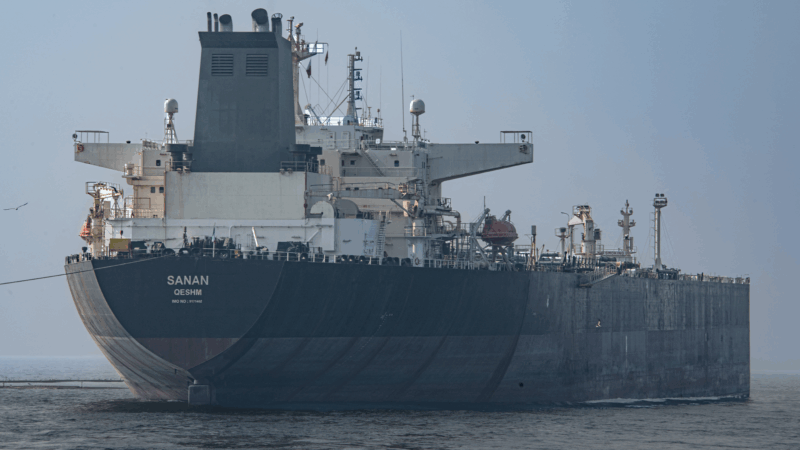
How could the U.S. strikes in Iran affect the world’s oil supply?
Despite sanctions, Iran is one of the world's major oil producers, with much of its crude exported to China.
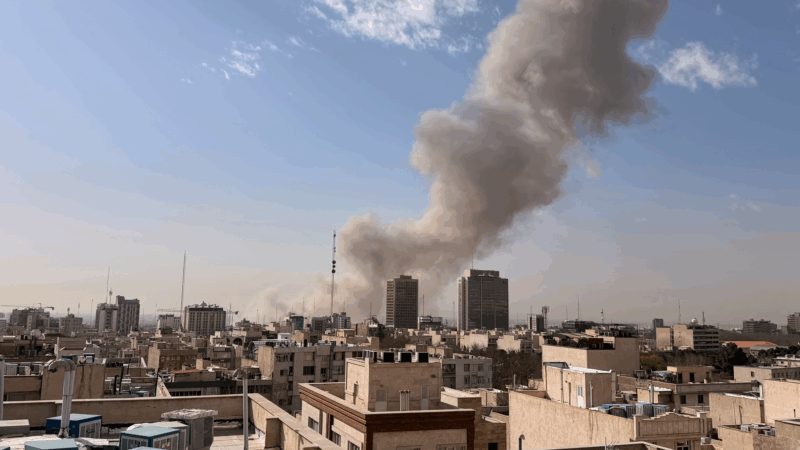
Why is the U.S. attacking Iran? Six things to know
The U.S. and Israel launched military strikes in Iran, targeting Khamenei and the Iranian president. "Operation Epic Fury" will be "massive and ongoing," President Trump said Saturday morning.
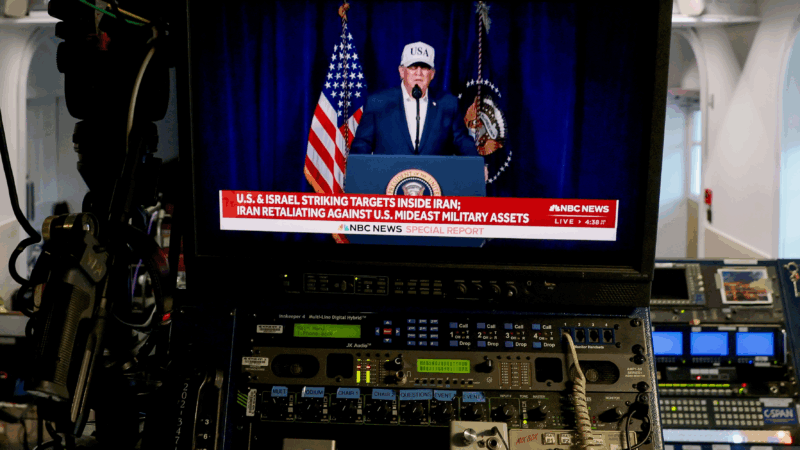
Iran strikes were launched without approval from Congress, deeply dividing lawmakers
Top lawmakers were notified about the operation shortly before it was launched, but the White House did not seek authorization from Congress to carry out the strikes.
