
Religious Exemptions to School Vaccine Requirements on Rise
Today’s students and most of their parents are too young to remember a time when epidemics crippled and killed millions. And there’s a reason we’ve forgotten: vaccines. Even so, a small but growing number of Alabama students are getting religious exemptions to school immunization requirements. The reasons are sometimes religious, sometimes philosophical, and sometimes health-based. Dan Carsen has more from the Southern Education Desk at WBHM:
Two-year-old Alice Nelson of Mountain Brook lets out a wail. She’s going through an unpleasant but almost universal experience, at least for children in the industrial world: getting shots. Her mother, Christie Nelson, has her reasons for making little Alice cry:
“We forget because vaccinations have been around for so long what it was like when there were these diseases that would kill children. You know we’ve almost become, to use the word, ‘immune’ to that fear that your child may die because of a disease or an infection that you have no control over, so I’m all for vaccines for keeping the population healthy.”
Every state requires student vaccination, and every state allows medical exemptions. Only twenty states give philosophical exemptions, but forty-eight, including Alabama, grant religious exemptions. Here, they’re given no questions asked; parents just sign a form and get a certificate. That’s probably part of the reason that religious exemptions, though still given to less than one percent of students, have increased 74 percent in the last two years. The ease of getting the exemptions also explains why many, if not most, aren’t actually religious.
Steve Dupont is a writer and a father of two who’s pursuing a master’s degree in nutrition and leans libertarian. He got the “religious” exemption for both children, but he says, “If I’m being completely honest, it’s more of a mechanism just to have the health freedom that I believe I should have as a citizen in choosing what goes into my body when I want, and what goes into my children’s body when I want.”
Based on his own research, Dupont says if it were up to him, he might forego vaccinating his children altogether, but through a compromise with his wife, his kids have received some of the recommended shots. Dupont can rattle off ingredients and statistics with the best of them. He’s concerned with additives and animal material in the shots, and with future “fake panics” that could cause them to be rushed to market. And he doesn’t completely trust manufacturers with the health of his children.
Though most religious exemptions are granted to highly educated parents, like Dupont, authorities on the subject have a vastly different take on skipping vaccines:
“Kids die from the measles. They get brain infections. They get pneumonia,” says Deborah Kilgo, Immunization Program Manager for the Jefferson County Health Department. “We still have over *50,000* deaths a year in the United States from pertussis. The huge outbreak they had in California last year: over 15,000 cases, ten babies died. Other than safe water, immunization is the most effective public health intervention that’s happened in the last century.”
[*Editor’s Correction: According to the CDC, though pertussis cases have been increasing since the 1980s, in 2010 there were 27,550 reported cases and only 27 reported deaths, 25 of them in children less than one year old. Pertussis cases are generally — some studies say significantly — underreported, but the 50,000 figure, which comes from the National Foundation for Infectious Diseases, refers to the number of adult deaths in the U.S. caused by vaccine-preventable diseases and their complications.]
Covering pediatricians, the Centers for Disease Control, and anti-vaccination celebrity Jenny McCarthy in the same thought, Kilgo adds, “If you have questions about vaccines for your child, if you have concerns and you want answers, then you need to look to the experts. So get your information from a reliable source, not from a Playboy bunny.”
Kids today get more than three times as many shots before kindergarten as they did 20 years ago, and now that anyone with a computer can research anything, the very personal issue of injecting substances into little bodies has become more charged. But even amid such a polarizing issue, there is a middle path. Glory McLaughlin is a Birmingham mediator and attorney, and the mother of a three-year-old in preschool. After lots of research, she determined that recent fears over vaccines causing maladies including autism were unfounded. But she understands some of the discomfort:
“The typical schedule might have a child receiving four, five, or six vaccinations at one time, as early as say six or nine months old, which just to me seems like a lot of foreign stuff going into your kid’s body.”
So she and her husband have opted for an alternative, more spread-out injection schedule, which allows a maximum of two shots at a time, but keeps their daughter in compliance with school regulations.
“It requires more trips to the pediatrician,” she says. “It’s a little more inconvenient for the parents, but we found that it wasn’t so inconvenient that it outweighed sort of the comfort level that it gave us.”
They’re not alone. A recent nationwide survey found more than one in 10 parents vaccinated their children outside the CDC-recommended schedule. But spreading out and delaying are not necessarily the same thing. The CDC points to research showing even infants can handle multiple injections, and that delaying immunizations greatly increases the risk of disease. Nationally, measels and whooping cough are making a comeback in areas with gaps in vaccine coverage.
We live in a time when people are becoming more conscious of what goes into their bodies, when sources of conflicting information abound, and when suspicion of government is high. But as Deborah Kilgo points out, this is also a time when contagious people can easily travel thousands of miles in a day:
“Three huge outbreaks of measles in the United States right now … every one of them was caused from imported cases. They’re just a plane ride away.”
Considering those facts, the protective instincts of parents, and the tradeoffs that go with any medical procedure, school immunization requirements promise to be a point of contention for some time to come. In Alabama, religious exemptions have been increasing for at least half a decade. And though state officials feel a single comment by a celebrity or candidate can undo years of their work, they say they’re trying to provide as much accurate information as they can in the hope of slowing or reversing the trend.

Shootings at school and home in British Columbia, Canada, leave 10 dead
A shooting at a school in British Columbia left seven people dead, while two more were found dead at a nearby home, authorities said. A woman who police believe to be the shooter also was killed.
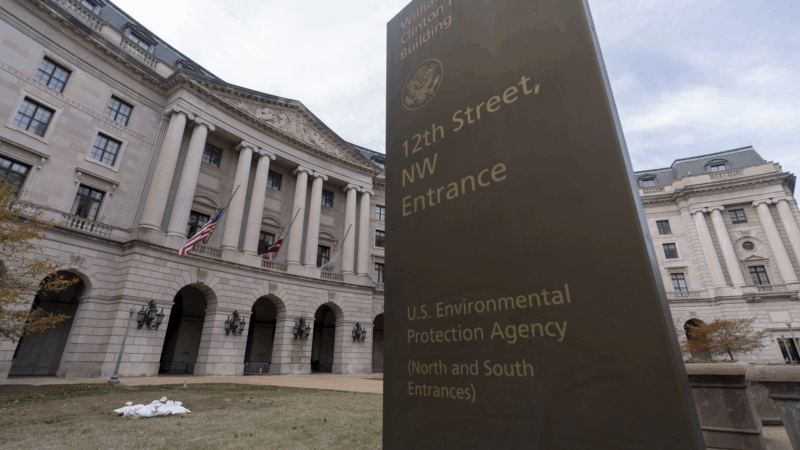
Trump’s EPA plans to end a key climate pollution regulation
The Environmental Protection Agency is eliminating a Clean Air Act finding from 2009 that is the basis for much of the federal government's actions to rein in climate change.

From gifting a hat to tossing them onto the rink, a history of hat tricks in sports
Hat tricks have a rich history in hockey, but it didn't start there. For NPR's Word of the Week, we trace the term's some 150-year-history and why it's particularly special on the hockey rink.

The U.S. claims China is conducting secret nuclear tests. Here’s what that means
The allegations were leveled by U.S. officials late last week. Arms control experts worry that norms against nuclear testing are unraveling.
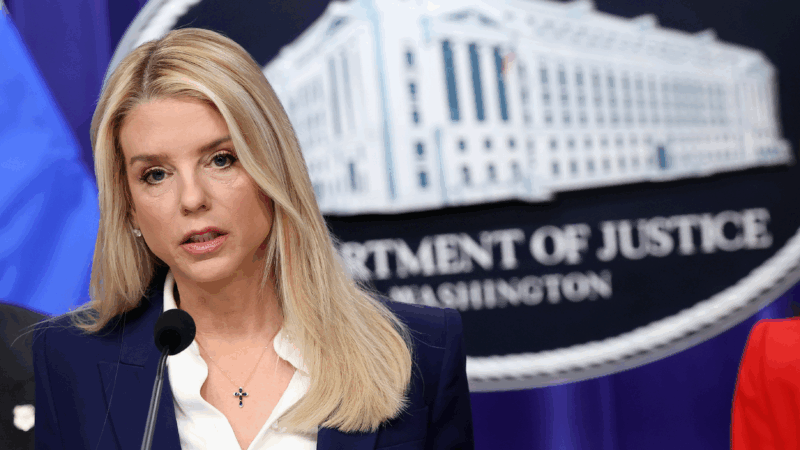
Pam Bondi to face questions from House lawmakers about her helm of the DOJ
The attorney general's appearance before the House Judiciary Committee comes one year into her tenure, a period marked by a striking departure from traditions and norms at the Justice Department.
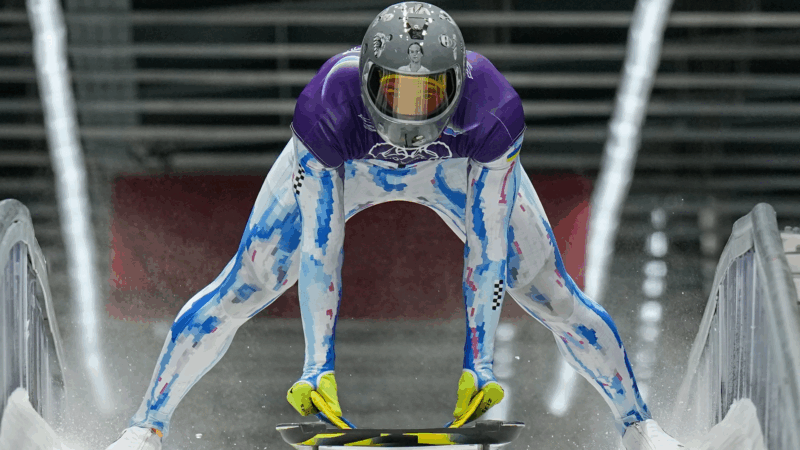
Ukrainian sled racer says he will wear helmet honoring slain soldiers despite Olympic ban
Vladyslav Heraskevych, a skeleton sled racer, says he will wear a helmet showing images of Ukrainian athletes killed defending his country against Russia's full-scale invasion. International Olympic Committee officials say the move would violate rules designed to keep politics out of the Olympics.
