
Officers Pepper-Spraying Birmingham Students
Depending on the details, recent images of police pepper-spraying protesters have triggered varying levels of outrage. But here in Birmingham, police are regularly pepper-spraying students while they’re in school. Dan Carsen has more from the Southern Education Desk at WBHM:
K.B. is like a lot of high school students. The 17-year-old is a little shy around adults, but likes to joke around with friends. She’s on her high school dance team and loves art class.
“Now I’m doing a stained glass,” she explains while sitting in a church in her gritty neighborhood. “You draw a little picture and you cut it out and put different little thin pieces of colored papers in it and you can hang it up against your window.”
But one day at school last February, she says a male student began to harass her. She started to argue with him and then began crying uncontrollably. Soon, one of the school’s police officers showed up.
“Once we started going our separate ways, the police officer grabbed me. And he put handcuffs on me.” She continues, “He’s telling me I need to calm down, and I was like, ‘I am calm.’ He told me to calm down again and I was like, ‘I am calm,’ then I got Maced. My eyes was burning, may face was burning. I couldn’t breathe, and then afterwards, I threw up.”
K.B. was also four months pregnant at the time. This was just one incident of more than a hundred over the past five years in which Birmingham police officers reportedly pepper sprayed students on campus. Since 1996, the school district has put police officers, often known as school resource officers or SROs, in Birmingham high schools.
Now jump just a few miles away from K.B.’s neighborhood. At the graduation ceremony for one of the department’s police academies, fifty-six recruits are about to be sworn in as officers. They march in, stand at attention, and sit.

Their movements are military, their spines erect, their faces stoic. There are some moments of levity, but mainly, it’s a serious ceremony for a serious job. These recruits have been schooled on firearms, restraint procedures, and other things they’ll need on dangerous streets. But K.B. and other students say a school campus is a very different arena.
Birmingham Police Lieutenant Graydon Newman, who runs the police training academy and is also a lawyer, says pepper spray has its advantages, even in a school setting:
“Anything that’s basically less-than-lethal is helpful for us. Some people we deal with can be very violent. When an officer goes on the scene, he can’t tell who’s the aggressor, who’s not. All he sees is two people fighting. For him to try to rush in, in the middle of people fighting, would be not only dangerous to him, but dangerous to them.”
The Birmingham School district declined requests for interviews. But police are not violating school policy. The school system has no regulations governing officers’ use of force. So police rules are in effect.
Ronald Stephens, director of the National School Safety Center, says pepper-spraying may sound extreme, but sometimes it’s necessary:
“Unless someone has tried to break up a fight lately, they probably don’t have the most recent, vivid reminder of the challenges that exist. The fighting today can quickly escalate. Just one good strategic punch, and we’re talking severe brain damage, and even death. ”
It’s hard to find data on officers pepper-spraying students in schools. There’s no national clearinghouse, and some incidents go unreported. But there’s another factor: Birmingham may truly be unusual in its use of pepper spray by police officers in schools. Police have said publicly that school staff sometimes rely too heavily on the officers for disciplinary matters.
The Southern Poverty Law Center says it doesn’t know of a school system anywhere in the country where students are pepper-sprayed as often as they are in Birmingham.
Russell Skiba, a school discipline expert at Indiana University, says, “It would be like if you said, ‘Well what do you think about breaking kids’ arms as a disciplinary procedure?’ There isn’t much to go on. That just doesn’t happen, in most schools. I have to say that I’m personally outraged.”
The Southern Poverty Law Center has filed a suit on behalf of K.B. and seven other students, alleging “brutal” mistreatment for non-criminal behavior. They want the officers either to stop spraying students, or to leave the schools.
As SPLC lead attorney Ebony Howard describes it, “We have students who come from tough socioeconomic backgrounds. Instead of giving them the opportunity to be children, to learn from the mistakes that they make, they have found a way to take away the childhood of these kids.”
Howard says the lawsuit is a first. The SPLC hopes to get the suit certified as a class action so it applies to all current and future Birmingham public school students. A federal judge is set to rule on that soon.

Scientists make a pocket-sized AI brain with help from monkey neurons
A new study suggests AI systems could be a lot more efficient. Researchers were able to shrink an AI vision model to 1/1000th of its original size.
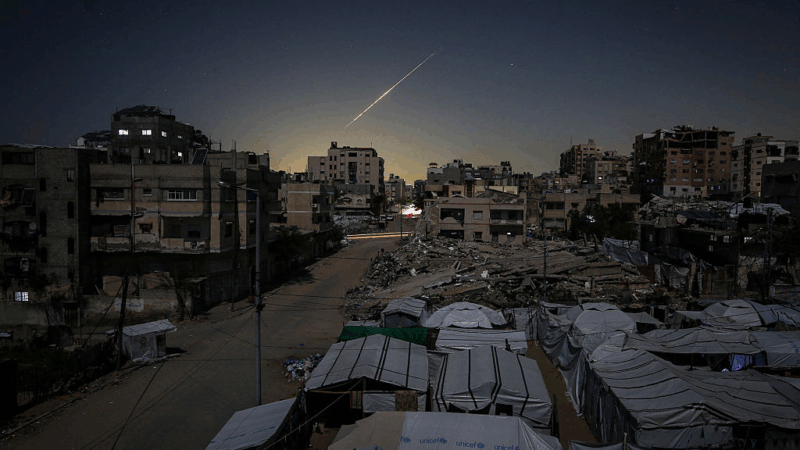
U.S. evacuates diplomats, shuts down some embassies as war enters fourth day
The United States evacuated diplomats across the Middle East and shut down some embassies as war with Iran intensified Tuesday while President Trump signaled the conflict could turn into extended war.
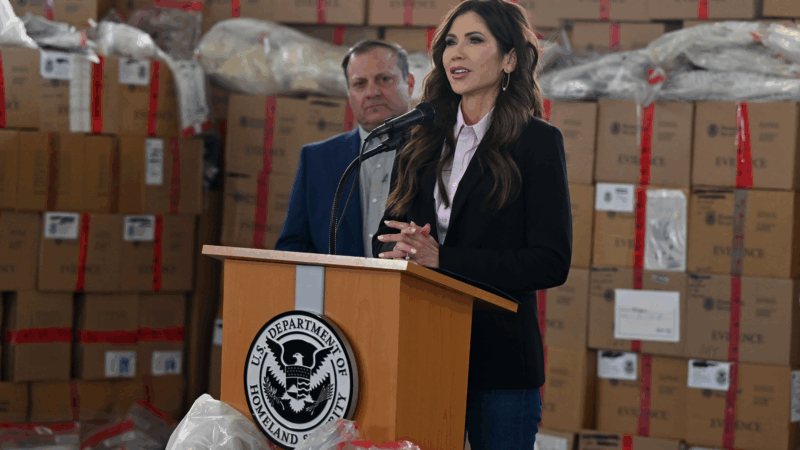
Kristi Noem set to face senators over DHS shutdown, immigration enforcement
The focus of the hearing is likely to be on how Kristi Noem is pursuing President Trump's mass deportation efforts in his second term, after two U.S. citizens were killed by immigration officers.
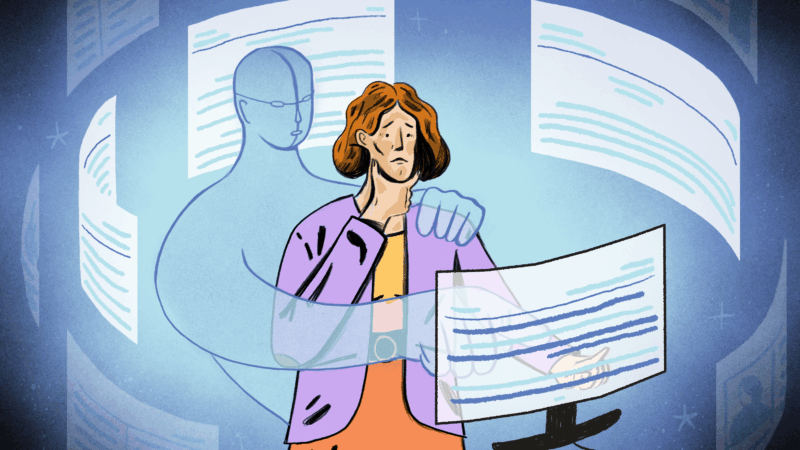
College students, professors are making their own AI rules. They don’t always agree
More than three years after ChatGPT debuted, AI has become a part of everyday life — and professors and students are still figuring out how or if they should use it.
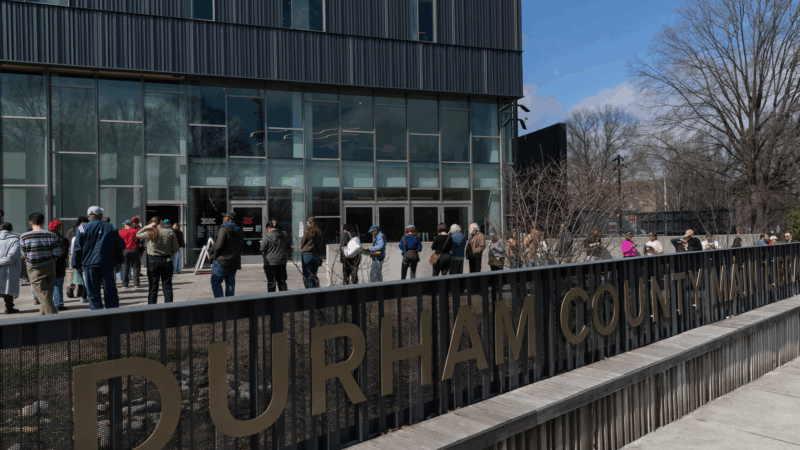
North Carolina and Texas have primary elections Tuesday. Here’s what you need to know
The midterm elections are officially underway and contests in Texas and North Carolina will be the first major opportunity for parties to hear from voters about what's important to them in 2026.
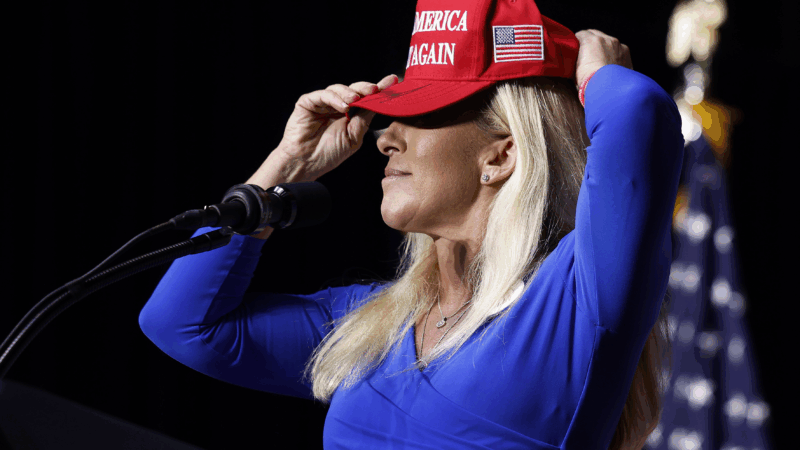
Trump promised the MAGA base no new wars. Then he went to war with Iran
President Trump promised his "Make America Great Again" voters an "America First" foreign policy. With the war in Iran, he's testing MAGA world's willingness to be flexible on one of its core beliefs.
