
Vipassana Behind Bars
“1,627. The count is the most basic thing we do. If I can’t account for my inmates or my staff, there’s no way I can maintain security. If my staff’s not secure my prisons not secure.”
It’s loud here. The concrete floors, block walls and steel ceilings mean every door slam, every shout ricochets down the corridor.
“Once you learn what is normal, you can detect security problems simply by listening to what’s going on around you. If it’s a lot quieter than what it normally is, something’s going on. You need to find out what that was.”
“I think I’ve heard a parent say that before.”
“Yes. This is very much like a kindergarten. The only thing is when my people throw tantrums, people get hurt.”
It’s a highly regimented environment that’s nerve-racking, tense yet boring. Control is everywhere from security cameras to lanes on the floor marking where inmates can and can’t walk. Inmates are directed through each meal, each meeting, each element of their day. And into this existence arrived Vipassana, an eastern meditation practice with Buddhist roots.
“Basically what we were doing in the 90s was mental health workshops, anger management, stress management.”
Dr. Ron Cavanaugh is Director of Treatment for the Alabama Department of Corrections. He says inmates would practice relaxation techniques, but when they returned to regular prison life, they were back to square one. Cavanaugh wanted something with more impact.
“And also something that you could carry with you. That it wasn’t just a 15
minute technique. This would be a lifestyle change.”
He connected with Jenny Phillips, a psychotherapist and cultural anthropologist in Massachusetts. They decided to try Vipassana meditation and in February 2002 were ready for the first ten day retreat with inmates. It would be the first such Vipassana course at a prison in America. Noteworthy because this is not simply, close your eyes and relax as Jenny Phillips explains.
“The first three days, which is 30 hours of meditation, the student
is taught to simply focus on the breath going in and out of the nostrils.”
“Your mind is racing.”
“It’s really like a monkey jumping from branch to branch in the trees.”
“The tedium of always having to refocus, refocus.”
“It’s not under any kind of conscious control.”
“At the third day, your mind just stops. It just goes blank.”
“And things come up that perhaps you haven’t thought of since your childhood.
You at times might find yourself swamped with memories or emotions.”
For these inmates, this is where things get really interesting. Plunging into their minds…it’s too much.
“Jumping and running from the mat was a common occurrence. Running and even at times trying to get out the gym because they were so overwhelmed by things coming up.”
“And it scares a lot of guys. You know, self-examination is one thing a human
being don’t want to do. They don’t want to face themselves.”
Inmate Omar Rahman says it’s putting a mirror up to yourself to face all the ugly stuff, the violence and trauma, in the past and in the present. Vipassana teachers help the inmates through the process. And it’s tough. Inmates are cut off from the rest of the prison for ten days. They don’t have their usual vices like cigarettes. Many participants are in for life without parole. So they’re not doing this for brownie points toward release or to be transferred to another facility. They’re putting themselves through this for their own self-improvement.
Ron Cavanaugh says Vipassana helps inmates become aware of sensations and feelings.
“So if I’m angry, doesn’t mean I have to act on it. If I’m sad, it doesn’t mean I have to get all depressed about it. It means I can sort of detach myself from it,
observe it, see where it is going and realize it is impermanent, so that it comes up, stays a while and goes away.”
It’s the type of skill Grady Bankhead depends on. He was abandoned as a child and had a difficult upbringing. He was present when two accomplices committed a grizzly crime and he ended up on death row. After eight years on death row he was taken off and now faces the rest of his life in Donaldson. He says you’re not just bumping up against other prisoners every day, but also clashing with prison staff, support staff and yourself. But after Vipassana…
“All the drama’s gone. The craziness that you go to sleep at night, running
through your head. That’s no more. You can actually lay down, shut your eyes and go to sleep.”
Prison officials notice the difference too. Especially Corrections Lieutenant Kenneth Clark.
“An individual who is calm, cognizant of where he is and trying to make decisions that will benefit him is much easier to handle than one who is, uh…”
“Off the charts?”
“I was trying to think of a polite way of saying that. Yeah, we see the whole spectrum.”
It’s more than anecdotal. Preliminary research by the University of Alabama showed Vipassana participants were less angry and better able to control their feelings. A 5-year follow up found a 20% reduction in disciplinary action. About 150 inmates have been through the program. Enough to eventually establish a prison dorm for the Vipassana participants. Prison officials hope it will serve as an example and create a positive ripple effect through the facility.
The program isn’t without critics. Vipassana does come from Buddhist tradition, although it’s a secular technique. Still Grady Bankhead says there was resistance on many fronts not just from inmates.
“I mean administration also, thought we were devil worshiping in that gym.
And killed the Vipassana program.”
The meditation courses did end for a number of years, but prison officials say not because they thought it was witchcraft. They say it was a matter of resources. In any case, the courses are back.
We may see prison through the lens of movies or television, but for 1,600 inmates at the Donaldson Correctional Facility, prison is reality. As Ron Cavanaugh relays from Grady Bankhead…
“This is his home and he wants to make it, you know, the best place he can to
live. Because he’s not going anywhere.”
Vipassana meditation is one part of that effort.
Nancy Guthrie search enters its second week as a purported deadline looms
"This is very valuable to us, and we will pay," Savannah Guthrie said in a new video message, seeking to communicate with people who say they're holding her mother.
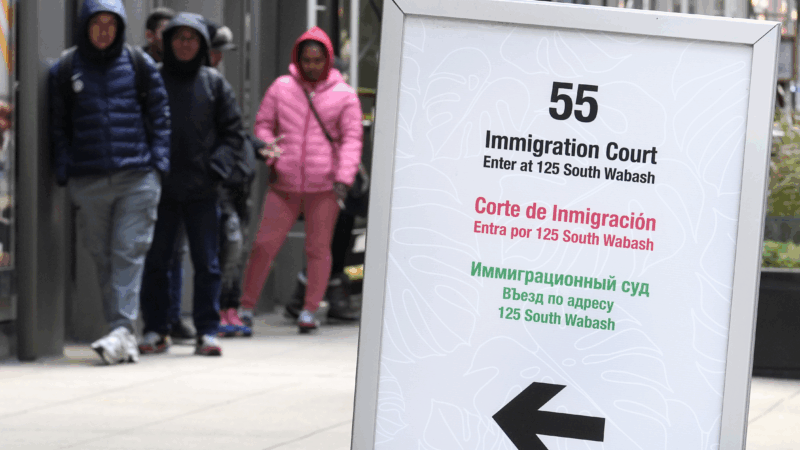
Immigration courts fast-track hearings for Somali asylum claims
Their lawyers fear the notices are merely the first step toward the removal without due process of Somali asylum applicants in the country.
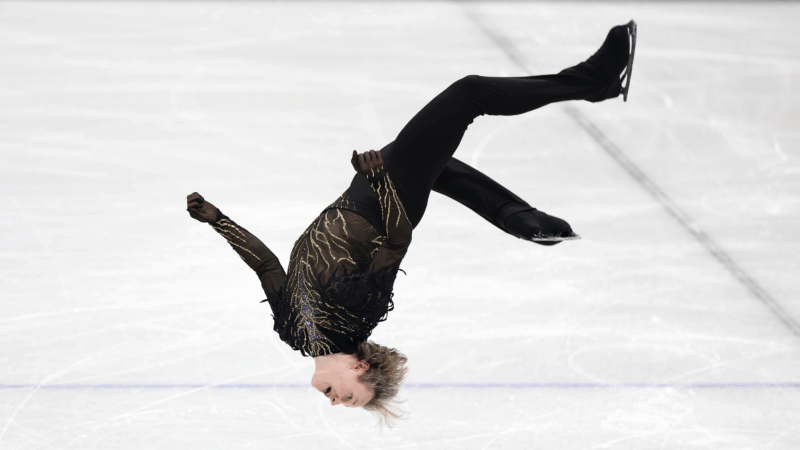
Ilia Malinin’s Olympic backflip made history. But he’s not the first to do it
U.S. figure skating phenom Ilia Malinin did a backflip in his Olympic debut, and another the next day. The controversial move was banned from competition for decades until 2024.
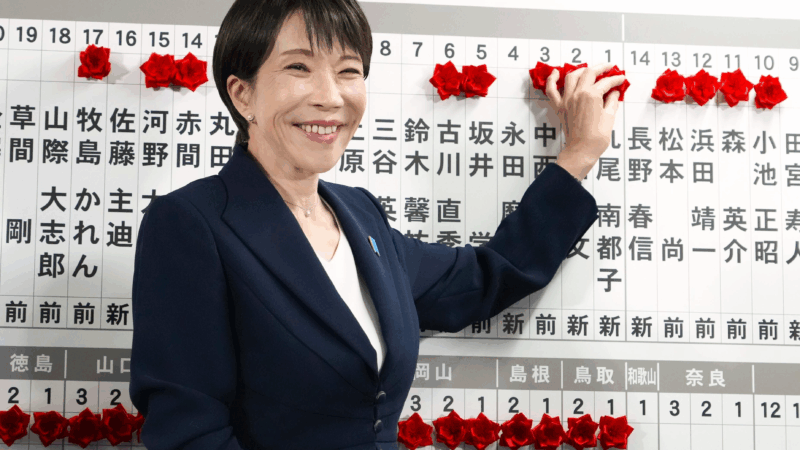
Japan’s Takaichi to pursue conservative agenda after election landslide
Japan's first female Prime Minister, Sanae Takaichi, brought the ruling Liberal Democratic Party its biggest-ever electoral victory, fueling her ambitions to pursue to a political agenda which she says could "split public opinion."

Olympic COVID restrictions are gone, but some athletes are still self-quarantining
For most people, the pandemic days of masking are behind them. In certain corners of the Winter Olympics, though, things still look a lot like they did in COVID times. Some athletes are taking extreme measures to stay healthy.

Mikaela Shiffrin has battled grief, PTSD and freak injury. Now come the Olympic Games
Shiffrin became a celebrity at 18 years old after becoming the youngest-ever skier to win Olympic slalom gold. Since then, she has faced grief, PTSD and freak injury — yet she is ready to bounce back.
