The Indicator
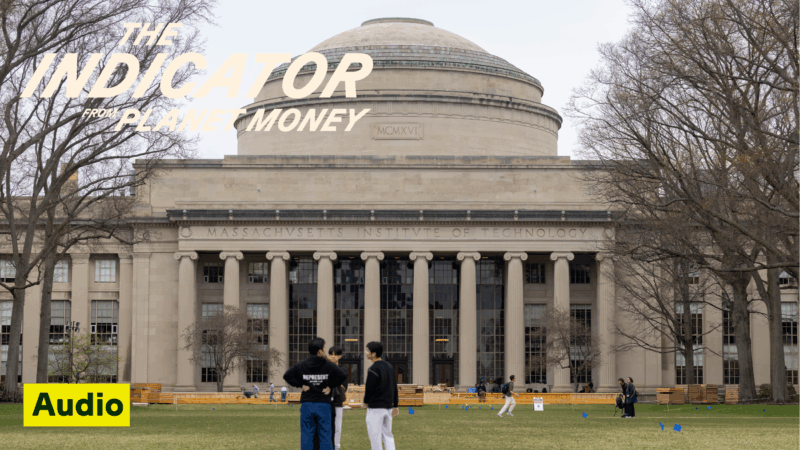
Should colleges accept money from bad people?
At a dinner in 2010, physicist Sean Carroll is handed a phone. On the other end: A wealthy patron looking to potentially fund his research. Months later came an invite to a conference. It would take place on an island. The caller was Jeffrey Epstein. Sean declined. Many others didn’t.On today’s show, why did so many academics say yes to Epstein’s invites and money? And what Epstein’s ability to ingratiate himself with them reveals about how science research is funded. Come see Planet Money live on stage in April! Twelve cities. Details and tix here: https://tix.to/pm-book-tour. Related episodes: What an Epstein recording reveals about how elites get jobsAmerican science brain drainFor sponsor-free episodes of The Indicator from Planet Money, subscribe to Planet Money+ via Apple Podcasts or at plus.npr.org. Fact-checking by Sierra Juarez. Music by Drop Electric. Find us: TikTok, Instagram, Facebook, Newsletter.
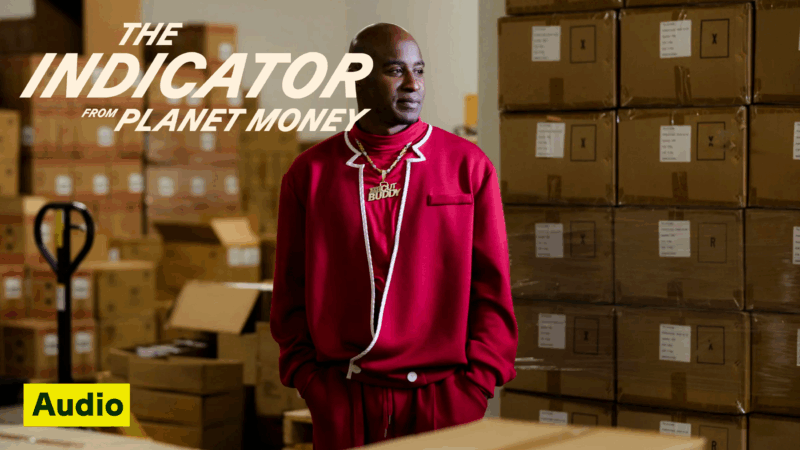
The shadowy world of merchant cash advances
During the pandemic, mostly unregulated lenders went after struggling restaurants and music venues, charging at times sky high rates. Now, they’ve found a new market: small businesses that desperately need cash to pay tariffs.Today on the show, the story of a financial lifeline that can turn into a financial choke hold.Come see Planet Money live on stage in April! 12 cities. Details and tix here: https://tix.to/pm-book-tour. Related episodes: Can I get my tariff money back now? Three ways companies are getting around tariffs For sponsor-free episodes of The Indicator from Planet Money, subscribe to Planet Money+ via Apple Podcasts or at plus.npr.org. Fact-checking by Sierra Juarez. Music by Drop Electric. Find us: TikTok, Instagram, Facebook, Newsletter.