


A mammoth solar farm is moving forward in the heart of California. If built, which seems increasingly likely, it would cover 200 square miles of land and generate 21,000 megawatts of electricity, enough to power entire cities. Huge batteries will store some of that power until it’s needed most.
Farmers are among the project’s backers. They don’t have enough water to grow crops on big chunks of their land, and they’re looking for new uses for it.
“We’re farmers, and we would rather farm the ground,” says Ross Franson, president of Woolf Farming and Processing, his family’s business. “If we had the water to do it, we would farm it. But the reality is, you don’t. You have to deal with the cards you’re dealt.”
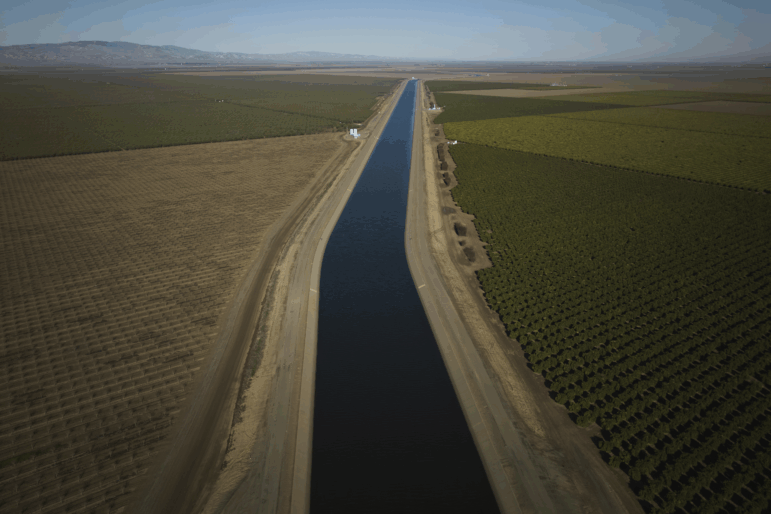
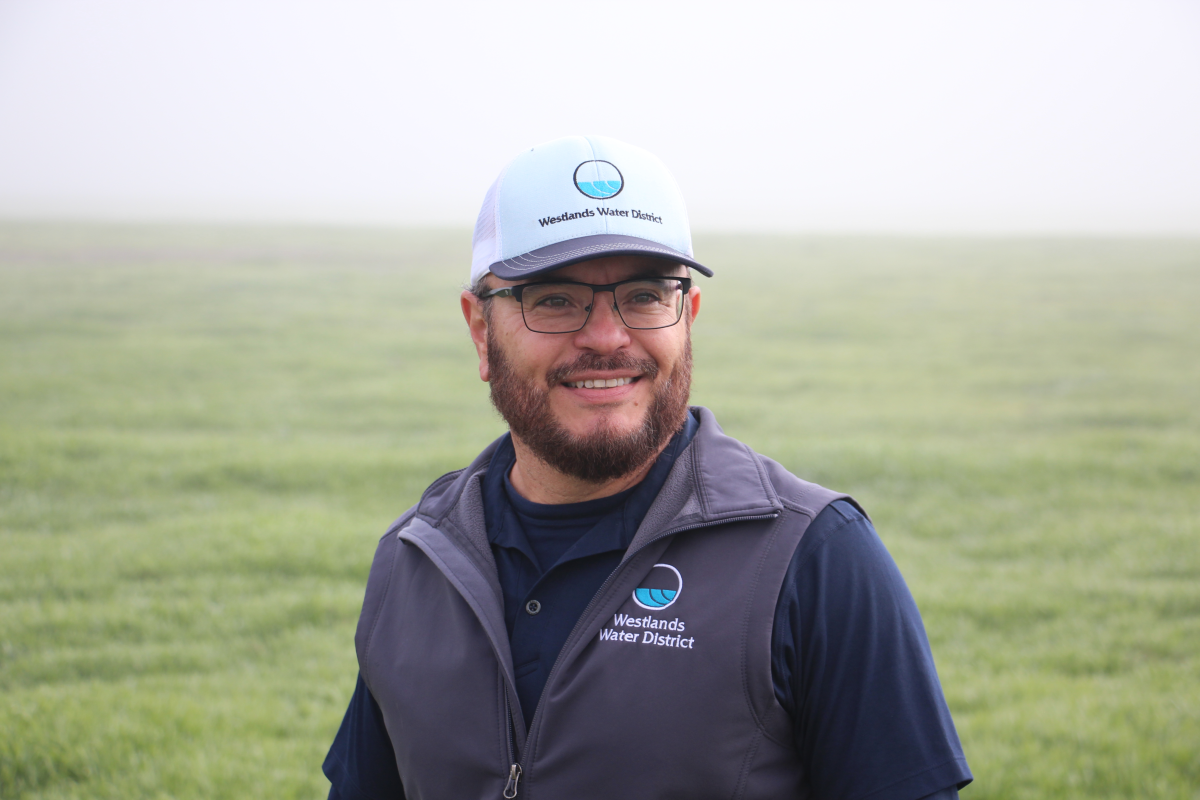
Franson is on the board of the Westlands Water District, a farmer-run organization that’s a key player in this effort, negotiating with solar companies and government regulators on behalf of its members. Westlands is an agricultural power, and has long represented the interests of farmers in a large swath of land on the western side of the San Joaquin Valley, between the towns of Firebaugh and Huron. Decades ago, it helped persuade the federal government to build a giant canal to deliver irrigation water to this area from rivers far away in northern California.

Yet these farmers are now facing a new water crisis. The canal has been delivering less water in recent years because of droughts and competing claims on that water. Until recently, the farmers had a backup water supply: they could pump water from aquifers a thousand feet underground. Now, though, a new state law is coming into force which bans overpumping from the aquifer.
So farmers in Westlands have been leaving large chunks of land unplanted. Another large piece of land, now owned by Westlands Water District itself, has been fallowed because irrigating it could release high levels of a mineral called selenium that can poison wildlife or people. The farmers, and the district, have been looking for new ways to put that land to use.
A solar developer called Golden State Clean Energy seized the opportunity. Several years ago, it presented Westlands Water District with a master plan for a collection of vast solar projects.
Developers say scale will justify new power lines
Patrick Mealoy, a partner at Golden State Clean Energy, says they had to propose a solar farm that would generate an enormous amount of power in order to make the case for new multi-billion-dollar power lines to carry electricity from the San Joaquin Valley to Los Angeles and Silicon Valley. Mealoy says smaller proposed projects have stalled because they weren’t big enough to justify building those power lines.
“In order to actually have solar be productive, you need size and scale, a mass of projects that support the necessary investment in high voltage transmission lines to collect the electrons and move them,” Mealoy says.
Getting the managers of California’s electrical grid to approve construction of those transmission lines could be the project’s biggest remaining hurdle. If built, the cost of those power lines, along with the benefits of greater electricity supply, eventually will show up in consumers’ electricity bills.
Franson says his immediate reaction to the proposal was, “Yes, we need to do this.” Negotiating the details and completing an environmental review took several years, but in December, the Westlands Water District’s board voted to move ahead.
Golden State is the plan’s architect, but other solar developers will build sections of it. Construction could take a decade. Even though the Trump Administration has abolished some financial incentives for solar projects, Mealoy says it’s still a solid business opportunity.
“The state needs it. It’s permitted. It’s the right place for it. I’m excited about this,” he says.
Grace Wu, an environmental scientist at the University of California, Santa Barbara, says that “this is a fantastic place for solar” because the fallowed farmland isn’t high-value habitat for wildlife.
Farmworkers wonder if they will also benefit
About 150 farmers within the Westlands Water District have signed up to put solar on some of their land, including Jeremy Hughes. “We look at it as a new crop. We’re harvesting electricity,” Hughes says. The guaranteed income from those acres makes it possible to keep farming the rest of his land.
“Because of solar, we can continue farming in Westlands. It’ll keep the farming community alive,” says Jose Gutierrez, assistant general manager of Westlands Water District.
In the small towns nearby where many farmworkers live, however, there are worries that local residents won’t see many benefits from the project. Among those towns is Huron, home to about 6000 people. Rey León grew up here, working in his family’s restaurant. Now he’s the town’s mayor.
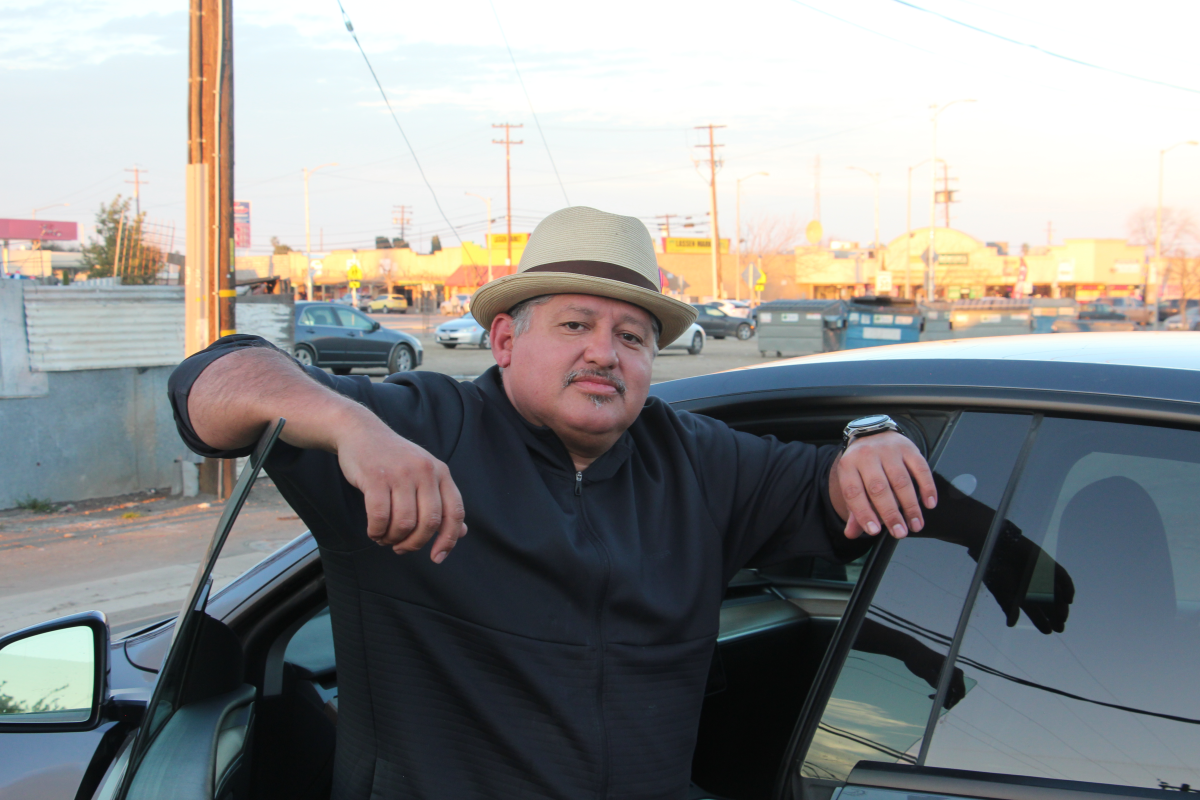
“I’m worried about Huron,” he says. This solar deal may be great for the landowners of Westlands, he says, but less farming means fewer jobs for people who worked in the fields and orchards. León wants some of the solar revenue to flow to this community for education and training, to help people find jobs in this new solar industry.
“We are shareholders,” he says. “We kept these communities alive, these economies robust. There’s no excuse to leave us out.”
Westlands and Golden State Clean Energy have been discussing what they call a community benefits package, but officials haven’t released any details.
A possible model for other parts of California
Caity Peterson, at the Public Policy Institute of California (PPIC), says other farming communities in California may try to imitate what Westlands is doing. Because they, too, will have to stop pumping so much water from the ground as the new state law comes into force. “There’s going to be some kind of right-sizing of agricultural land in the San Joaquin Valley,” she says.
According to a study that PPIC carried out, farmers in the valley will have to stop growing crops on between 500,000 and one million acres. There will be a lot of dry, sunny land in California, just waiting for a solar developer.
Transcript:
LEILA FADEL, HOST:
A plan for the country’s biggest solar project is moving ahead in California. If built, it’ll power entire cities and millions of homes. Dan Charles reports on the farmers behind the project.
DAN CHARLES, BYLINE: A few years ago, a company called Golden State Clean Energy got in touch with a group of farmers in the San Joaquin Valley in the heart of California. The company said, we have a plan for gigantic solar projects on your land. And Ross Franson, one of the farmers, thought it sounded great.
ROSS FRANSON: I think the first time I heard it, at least from my perspective, it was like, yes, we need to do this.
CHARLES: Because these farmers have a problem. They farm land on the west side of the valley – the dry side. They grow their almonds and pistachios and tomatoes with water that they pump from aquifers a thousand feet underground, also from a giant canal that the federal government built to bring in water from far away in northern California. But the canal is delivering less water now because of droughts and competing claims on that water, and a new state law has banned overpumping from the aquifer. So the farmers have been leaving a quarter or more of their land unplanted every year.
FRANSON: We’re farmers and we would rather farm the ground. If we had the water to do it, we would farm it. But the reality is you don’t, and you have to deal with the cards you’re dealt.
CHARLES: The farmers have a central organization that manages their irrigation water – the Westlands Water District. It also owns a lot of land that can’t be farmed. In December, the Westlands board adopted the solar plan. It is so big, it’s mind-boggling.
(SOUNDBITE OF VEHICLES DRIVING BY)
CHARLES: We are at American, in Highway 33.
It’s a foggy winter morning in the Central Valley, but Jose Gutierrez, the assistant general manager of Westlands Water District, can see the future.
JOSE GUTIERREZ: The vision down the road is that this land at some point will have solar panels for miles in each direction.
CHARLES: It’ll be solar for 10 miles to the north, 20 or so miles to the south. The project will cover 200 square miles. On a sunny day at noon, it’ll produce 20,000 megawatts of electricity – as much as a dozen or more big power plants burning coal or gas. Huge batteries will store some of that power until it’s needed most. Gutierrez says it’s exactly what farmers here need.
GUTIERREZ: Because of this solar, we can continue farming in Westlands.
CHARLES: The extra income farmers get for leasing unused land to solar companies will let them keep growing crops on the rest of their land.
GUTIERREZ: It’ll keep the farming community alive.
CHARLES: Patrick Mealoy, a partner at Golden State Clean Energy, says the project has to be big to justify new multibillion-dollar power lines to carry electricity from here to Los Angeles or Silicon Valley. That cost will end up in people’s electric bills eventually, but Mealoy says the benefits will be even bigger.
PATRICK MEALOY: The state needs it. It’s permitted. It’s the right place for it. I’m excited about this.
CHARLES: But there’s some distrust in the small towns nearby where farmworkers live, like the city of Huron – 6,000 or so people, one main street. Rey Leon is the mayor here. He’s irrepressible, loves giving people little tours.
REY LEON: That’s my neighborhood right there. That’s where I grew up.
CHARLES: Leon says this solar deal seems great for the landowners of Westlands, but less farming means fewer jobs for workers here in Huron. Leon wants some of the solar revenue to flow to this community for education, training for jobs in this new solar industry.
LEON: We are shareholders. We’ve kept these communities alive. The economy is robust. There’s no excuse to leave us out.
CHARLES: Westlands and Golden State Clean Energy have been discussing what they call a community benefits package, but they haven’t released any details. Caity Peterson at the Public Policy Institute of California says other farming communities in California may try to imitate what Westlands is doing because they, too, will have to stop pumping so much water from the ground.
CAITY PETERSON: There’s going to be some kind of rightsizing of agricultural land in the San Joaquin Valley.
CHARLES: She says farmers will have to stop growing crops on at least half a million acres, maybe a million acres. So there will be a lot of dry, sunny land just waiting for a solar developer.
For NPR News, I’m Dan Charles in the San Joaquin Valley.
(SOUNDBITE OF THE WESTERLIES’ “DO YOU LOVE THIS WORLD?”)