



A global event can feel like a small world
These were famously spread-out Olympics, but to me — who mostly stayed in one city covering one sport — they felt almost immediately like a small world. Soon enough, I had my go-to food spots and preferred transit shortcuts, friendly bits with venue security guards and a hilariously high number of Snoop Dogg near-misses (I finally saw him sitting rinkside with Martha Stewart and Ilia Malinin, worth the wait). Best of all, I got to know many of the other reporters covering figure skating. We spent long, late nights in the trenches: watching the extreme highs and lows of competition, alternately discussing and distracting ourselves as we waited downstairs to talk to athletes. We shared quotes, saved seats and — once — sprinted up multiple flights of stairs just in time for the next skater to take the ice. And it wasn’t just at the rink; I ran into multiple compatriots around town, too. I’m so grateful for their friendship and wisdom, whether about the figure skating scoring system or recommendations for salad places (both are trickier than you’d expect).
— Rachel Treisman


Memes have their limits
I’m used to covering the Olympics from afar, which involves keeping a close eye on whatever or whoever is suddenly trending (chocolate muffins, “pommel horse guy,” a certain shirtless torchbearer). But on the ground, the meme firewall is pretty strong. For one, we’re not hearing TV commentary at live events, and rights restrictions keep us from seeing most of NBC’s viral tweets and clips. Plus, many of these events (certainly figure skating) go late into the night in Italy, so I’m asleep when things are starting to take off online — and don’t have my usual amount of time to scroll-slash-research anyway. Don’t get me wrong, I’ve still gotten to enjoy Quinn Hughes’ blank stares, Elmo’s escalating beef with Rocco and the smooth moves of the curling ice master. But it’s been interesting to see the internet’s reaction as the cherry on top of my viewing experience, rather than the lens for it.
— Rachel Treisman


Family moments meant the most
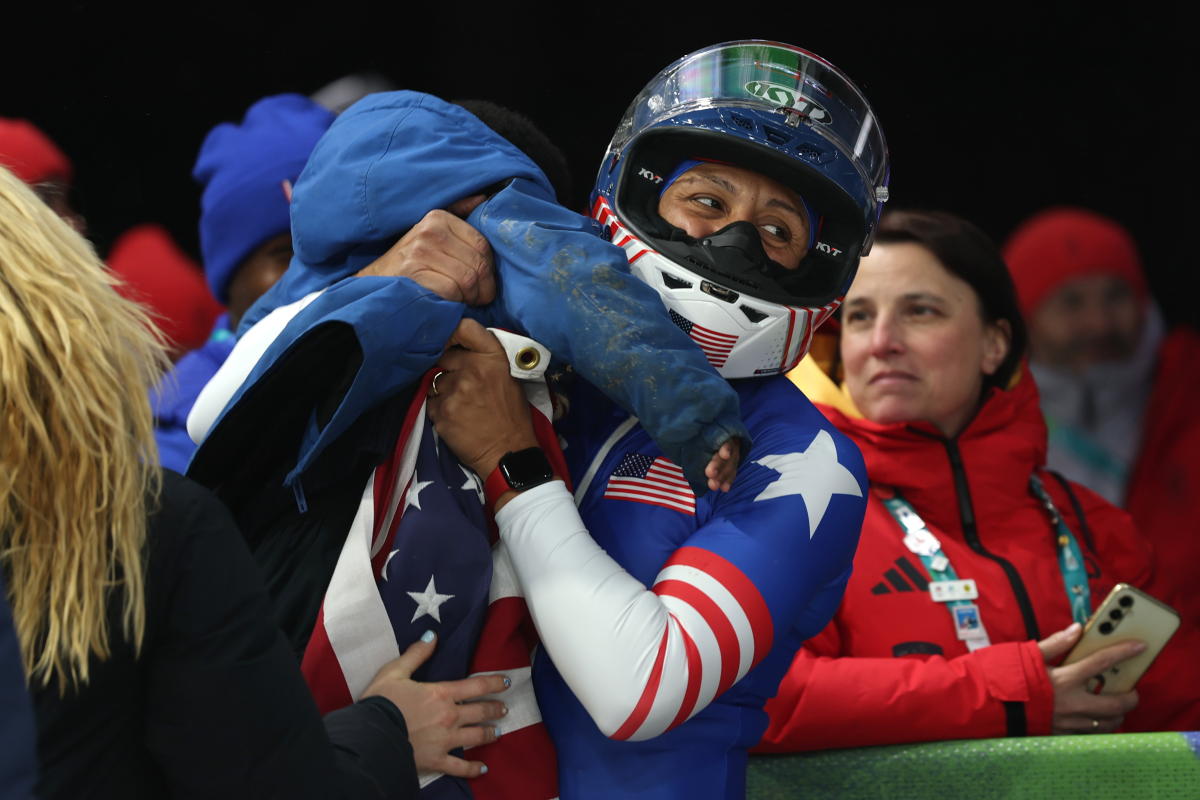
My biggest, kind of unexpected joys during the Winter Games were the moments with family. Elana Meyers Taylor and Kaillie Humphries with their kids at the finish line of the monobob bobsled competition. Mikaela Shiffrin speaking beautifully about her father’s death and how these Olympics helped her learn to live with that loss. Seeing young athletes with their parents. Seeing the remarkable number of athletes competing here with their siblings! I also like the fact that these young athletes seem a lot healthier, mentally and physically, than when I first started covering Olympic sports 20years ago. There’s more of an effort to make this fun, more support for their mental health, a lot less (not zero) grinding pressure.
— Brian Mann
The pros and cons of being far-flung
I spent a lot of time on streetcars, buses, taxis, trains and walking … endless walking … and I have to say it all kind of worked. It was a pain in the butt sometimes. There were days when I thought maybe I wasn’t going to make it home. But in the end, Italy managed to string together towns and sports venues spread over more than 8,000 square miles, including some of the most rugged terrain on earth, and it all kind of held together. I do think there are downsides to a widely dispersed Olympic Games. It’s harder to dive into different sports, sampling a little of this and a little of that, when events are three to four hours apart. It’s also harder to celebrate (and party) after big wins when you have to catch that last bus to your sleepy little mountain town. But the arrangement also meant tiny villages in the Alps weren’t totally overrun with mobs of people. So a lot of my skepticism faded during the Games, especially when buses carried me through high Alpine mountain passes, where the beauty was cinematic.
— Brian Mann


A new golden age for speedskating
I knew little about long-track speed skating coming into the Games, and the sport completely won me over. They look so calm, while going so fast! People can dominate the sport at different ages — from 19-year-old Jilek Metodej from Czechia, who won the 10000 meters, to mullet king Jorrit Bergsma, 40, who was uncatchable in the mass start. Day after day, Olympic records were smashed, sometimes twice in the same race — surprising the skaters themselves, who didn’t expect the ice conditions to be so dialed-in at a temporary rink. The credit goes to the athletes who, with training, refined techniques, nutrition and sports psychology, are getting faster every four years. And promising stars like U.S. skater Jordan Stolz, 21, haven’t reached the limits of their potential yet.
— Pien Huang
The athletes are all right
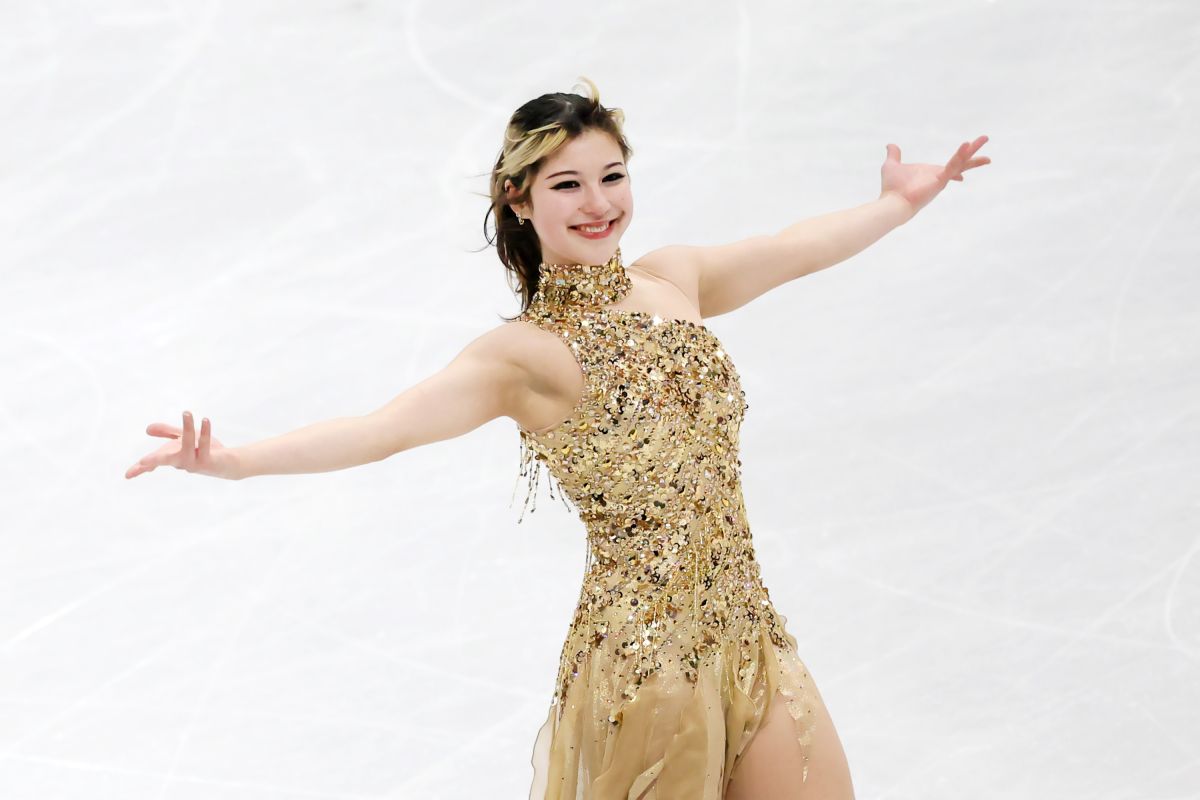
“Winning isn’t all that, and neither is losing. It’s just something that happens,” said figure skater Alysa Liu, after earning gold in women’s figure skating, “What matters is the input and the journey.” Liu’s words were the most visible example of what I heard repeatedly from Team USA athletes — pride in themselves for showing up and doing their best that day. Speedskater Erin Jackson was disappointed to miss medaling in the 500 meters by 0.05 seconds, “but yeah, that’s racing,” she said, “I can’t control podium spots because that’s about how everyone else is [skating] … My personal outlook on sports and competing is about performing my personal best.” It’s a perspective that emphasizes resilience and what an individual can control — different from the “winning is everything” mentality I recall from watching the Olympics as a ’90s kid.
— Pien Huang

A masterclass in perseverance
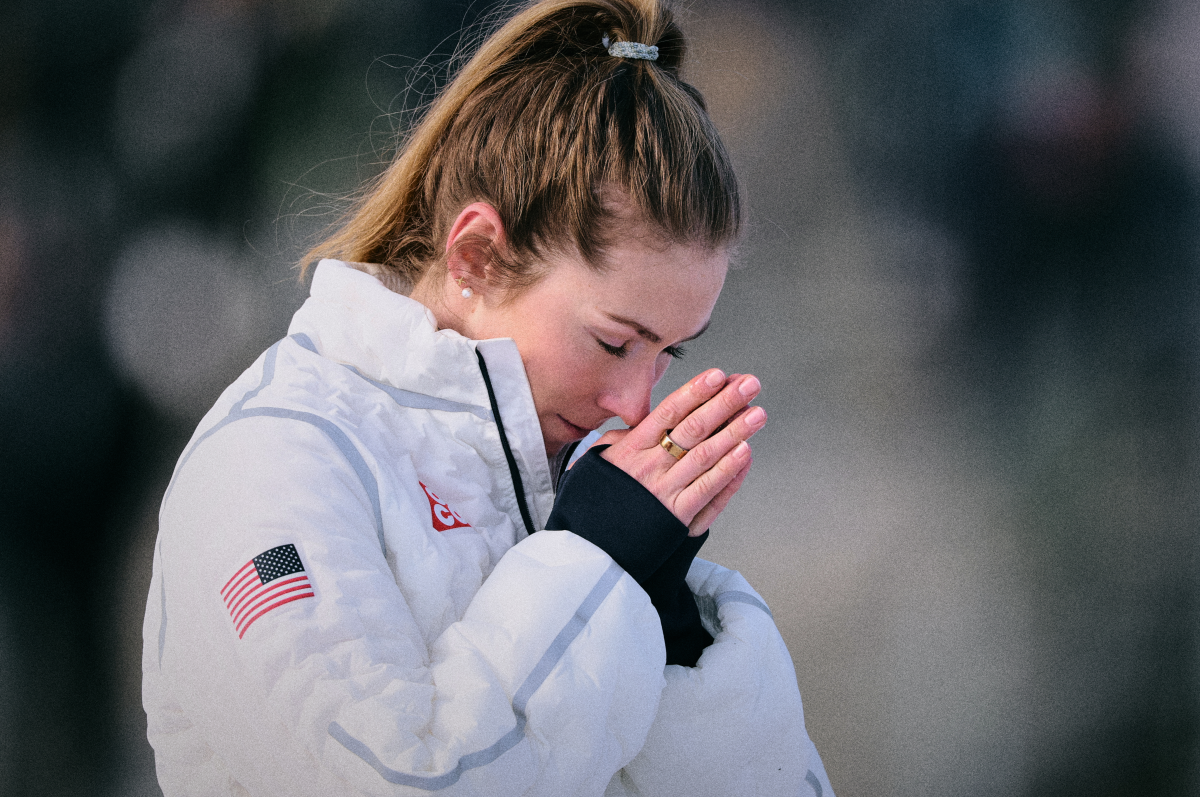
It isn’t easy to be an elite athlete, especially when your Olympic opportunity only comes around every four years. Something I was blown away by time and again in these Games was the perseverance of athletes — especially women — coming back from a devastating setback. The 41-year-old Lindsey Vonn attracted a lot of headlines and media attention before the Games began because of her genuinely incredible comeback out of retirement and back to the top of the World Cup standings. Her Olympics didn’t end the way she had hoped, of course, but she said she doesn’t regret it. And neither does Breezy Johnson, the American downhill skier who badly injured her knee just before the 2022 Games and had to sit out, then won the downhill gold this year; or Federica Brignone, the Italian star who suffered a gruesome leg break last year only to turn around and win the super-G and giant slalom golds in front of her friends and family; and of course Shiffrin, whose all-consuming grief from the unexpected death of her father affected her performance in Beijing. “Everything in life that you do after you lose someone you love is like a new experience. It’s like being born again,” she said after winning the slalom gold.
— Becky Sullivan
American hockey is back on top
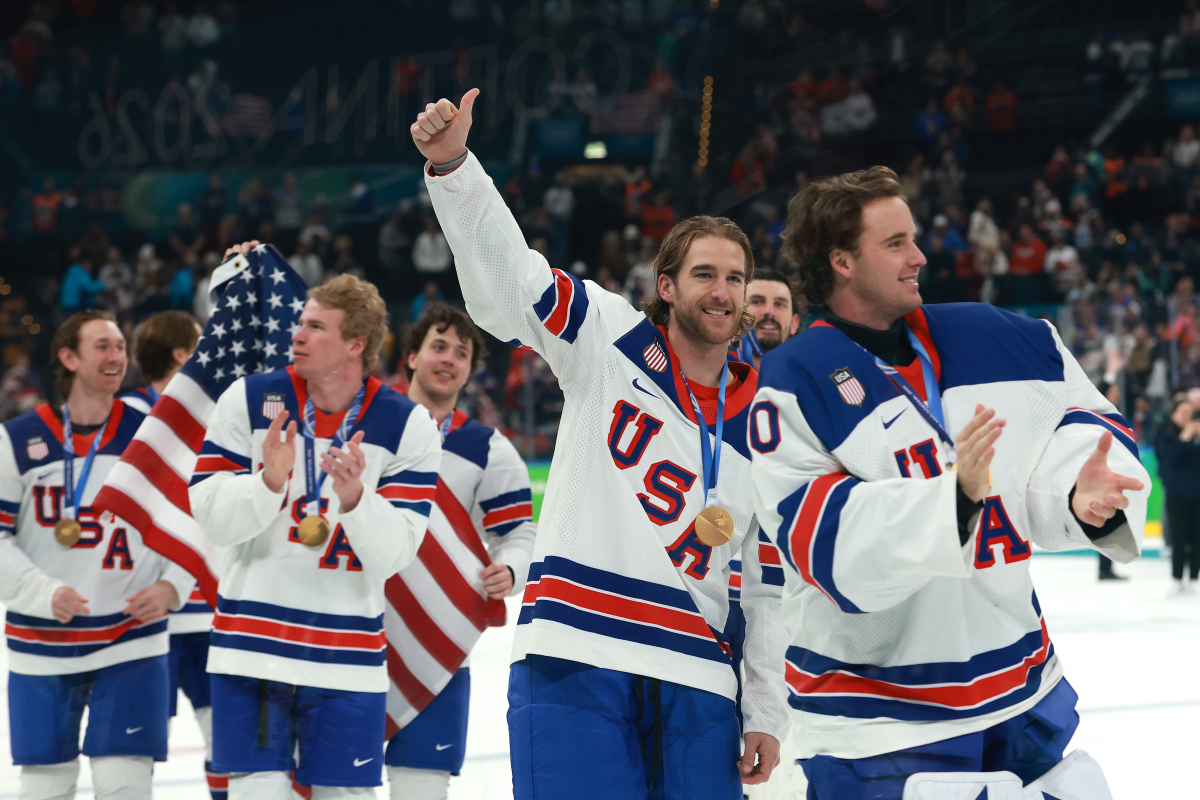
I got to spend the last 10 days of the Olympics watching the U.S. men’s and women’s hockey teams, and what a blast that was. Canada has always been hockey’s top dog, and to watch both of these American teams come away with wins — both with a final score of 2-1 in overtime — was marvelous. Both gold medals show off years of investment in youth development and the casting of a wider net for talent: The men’s captain, Auston Matthews, is Mexican-American and grew up in Arizona; the women’s brightest young star, Laila Edwards, was the first Black woman to compete for the U.S. Olympic hockey team. The return of NHL players to the Olympics paid off with electric, must-watch TV. The success of the PWHL (thanks in no small part to Team USA captain Hilary Knight) means the women’s players can pursue a career, and the quality of their game will only improve. American hockey is in a terrific place, and the two Olympic gold medals are proof.
— Becky Sullivan

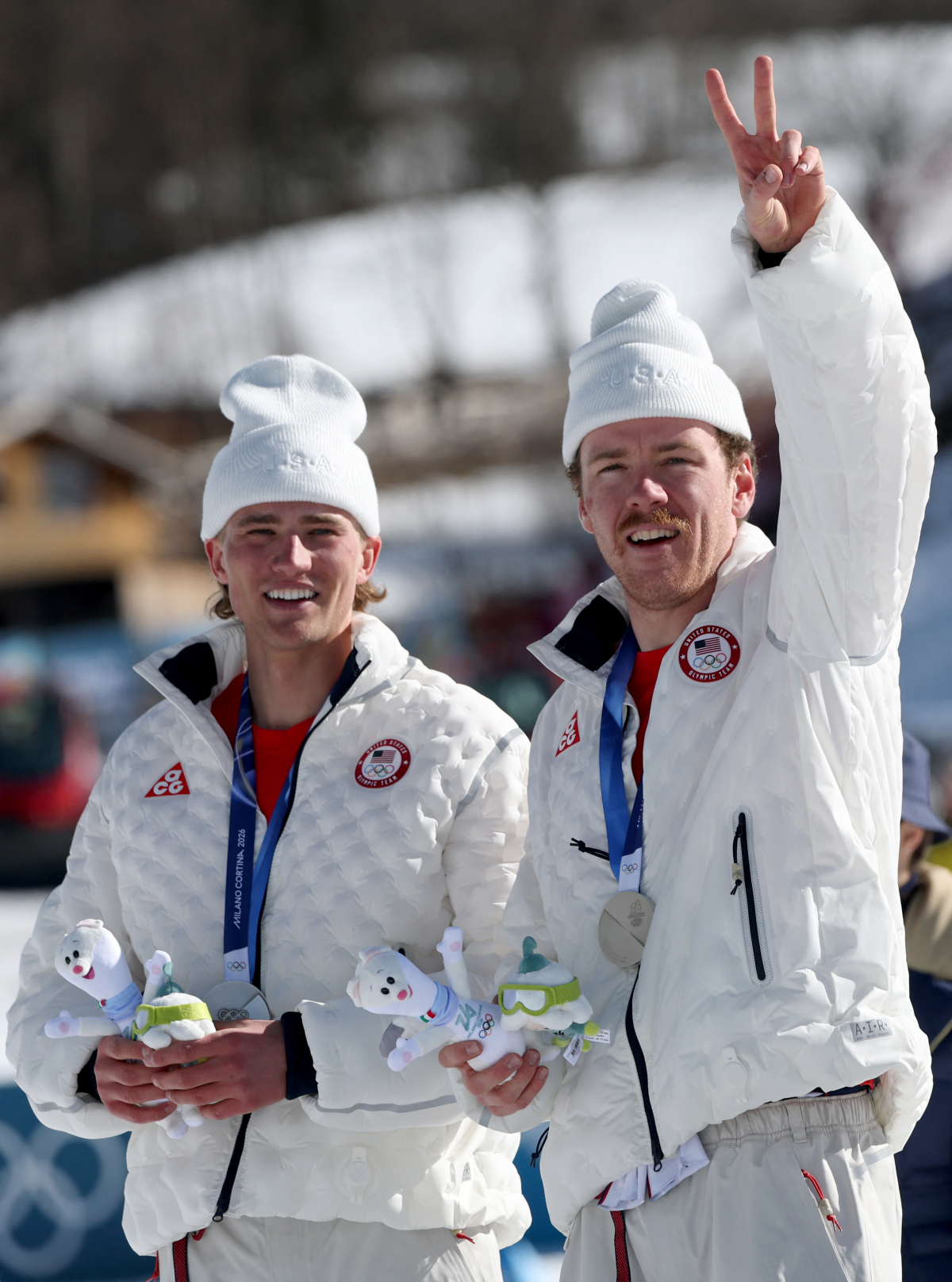
American cross-country skiers have a lot to be proud of
As an avid fan of professional cross-country skiing, I love that the sport has so many ways to measure success. Sure, winning races is important and everyone’s goal, but measuring athletes solely by where they finish in race results is pretty superficial.
That being said, the two silver medals the U.S. men won are a huge, historic accomplishment. They are the best-ever Olympic performance for American men, who have only one other medal, a silver from 1976. Ben Ogden has trained hard for years to get on podiums in an extremely competitive field, dominated lately by the most superlative talent the sport has seen in a generation, and likely ever: Norway’s Johannes Klaebo.
Ogden’s silver in the individual sprint, followed by another in the team sprint with teammate Gus Schumacher, deserve to be celebrated for the amazing accomplishments they are. They reflect sustained focus and determination.
Jessie Diggins medaling in her third Olympics is a great, unprecedented achievement for an American cross-country skier as well. No one on the team faced more pressure and expectations than Diggins, and she bore up under it with characteristic class. Beyond her many career accomplishments on snow, Diggins has repeatedly emphasized that personal growth, maintaining good mental health and building strong relationships with teammates are what count most. She can retire with pride.
A glance at the American cross-country team’s medal count only tells a very small part of their Olympian achievements.
— Eric Whitney