


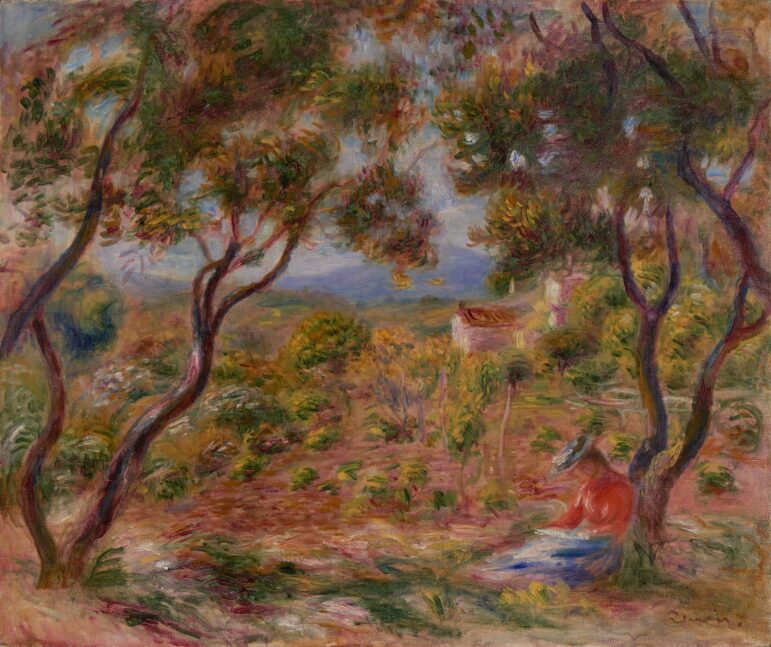
Claude Monet and Henri Matisse may already be household names for fans of Impressionism, French painting or water lilies, but the Birmingham Museum of Art is offering a fresh look into 100 years of French modern art beyond the famed Frenchmen. It’s all in their newest exhibit Monet to Matisse: French Moderns, 1850–1950, opening Friday.
Monet to Matisse originated at the Brooklyn Museum with 57 pieces. The works span a century of French modern art. While the exhibit stops in Birmingham during its world tour, the Birmingham Museum of Art had the unique opportunity to expand the exhibit with pieces from its own collection, offering 103 total pieces on view.
The exhibit features sculpture, painting, sketches and photographs through eras of Realism, Impressionism, Post-Impressionism, Symbolism, Fauvism, Cubism and Surrealism. The catalog is sorted into sections labeled “Landscape,” “Still Life,” “Portraits and Models,” and “The Nude,” with work by famed artists Auguste Rodin, Monet, Matisse and Mary Cassatt.

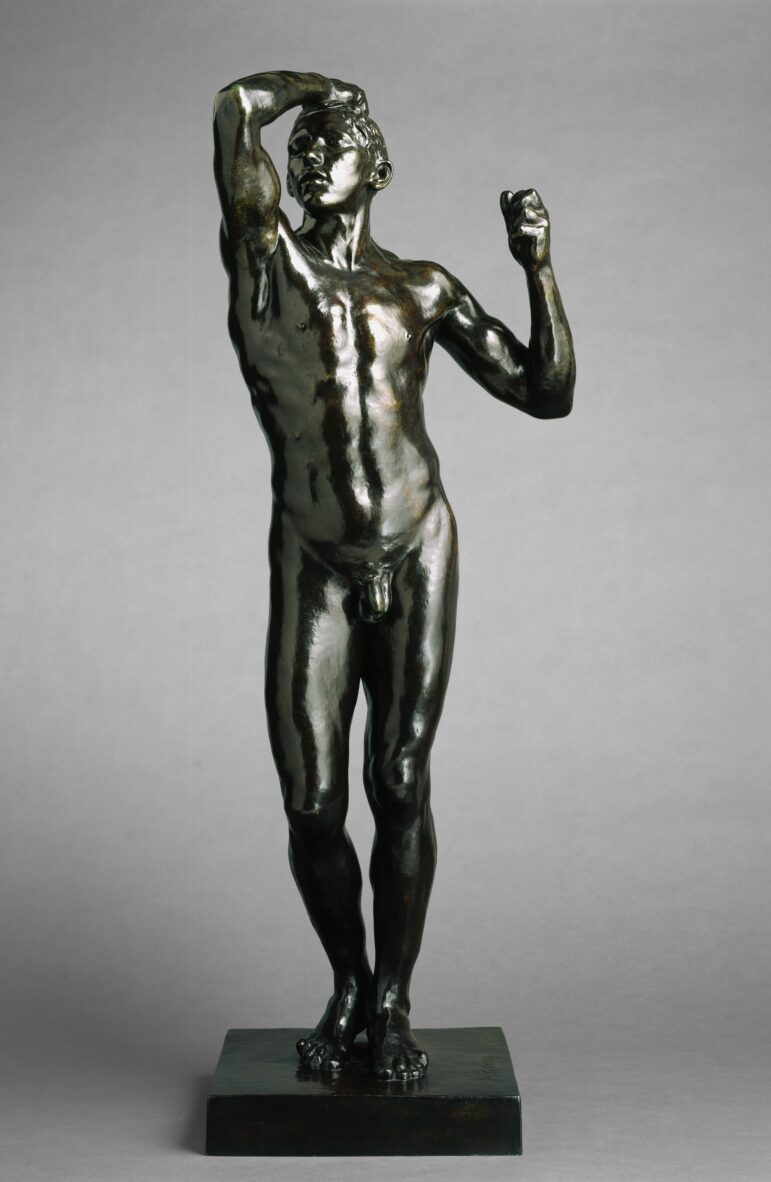
1876; cast 1967. Bronze, 41 1⁄4 x 15 x 13 in. (104.8 x 38.1 x 33 cm). Brooklyn Museum, Gift of
B. Gerald Cantor, 68.49. (Photo: Brooklyn Museum)
But as Maggie Crosland, the Fariss Gambrill Lynn and Henry Sharpe Lynn Curator of European Art, points out pieces in the gallery, she explains how special these works are.
“These are ways that artists are really kind of experimenting and breaking traditions of the academy in ways that you might not think are exciting and avant-garde,” Crosland said. “But the way that they do it really does.”
Crosland is excited to introduce visitors to new artists they may not have heard of.
“Two Alabama women and one impressionist painter who people haven’t had a chance to meet before,” are included in the exhibit.
The BMA’s exhibit also highlights the links between Japanese and French art by placing pieces thought to be in conversation with one another together in the gallery.

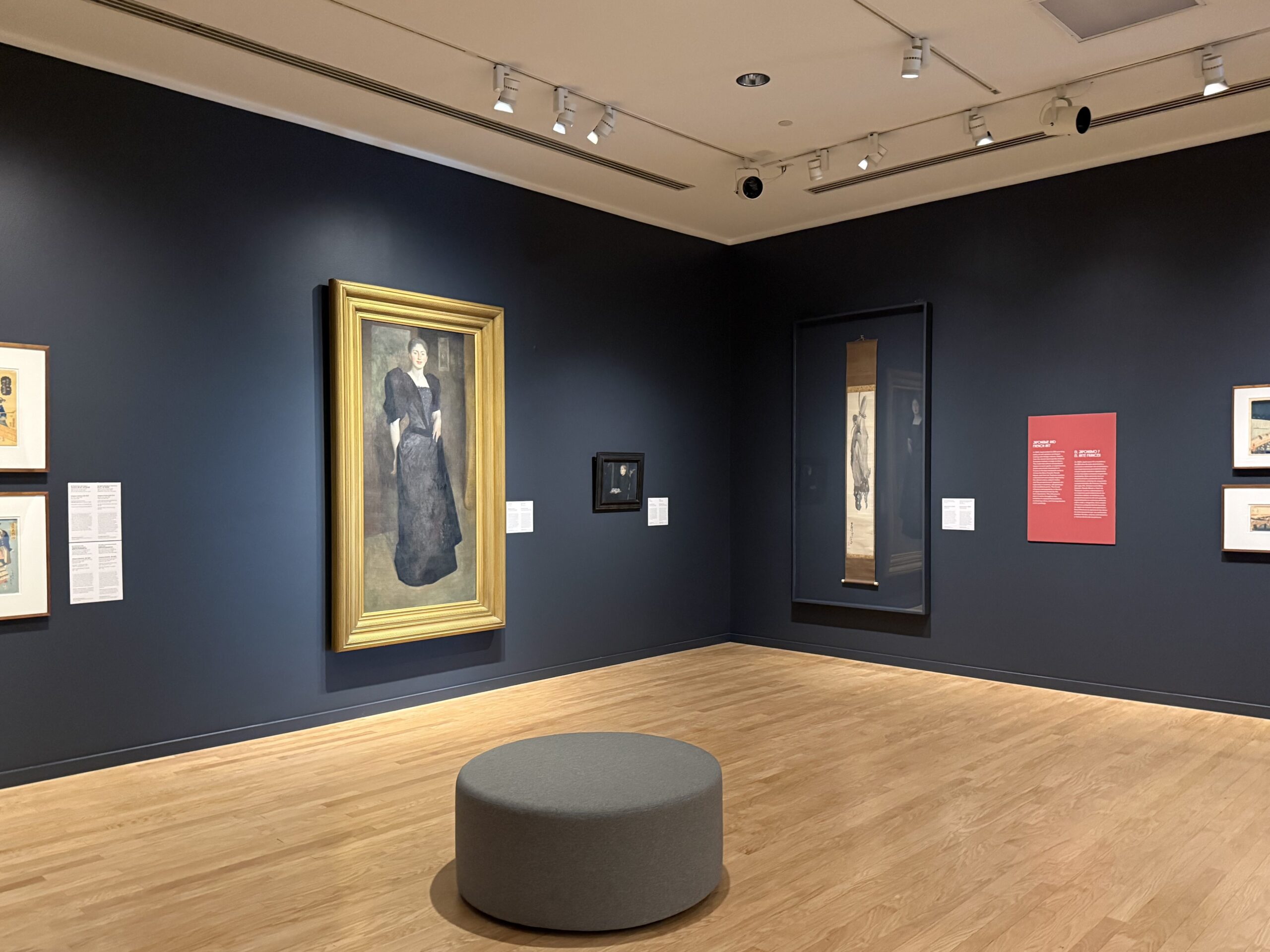
“You can’t have the modern European art without the contributions of Japanese influence,” Crosland said.
Japanese art became accessible when Japan was forced to open its ports and markets to the west in the 1850s. Many of the paintings on display feature woodblock prints and perspectives taken from Japanese art.
One of the artists Crosland is excited for visitors to meet is Marie Bracquemond, a French impressionist who was not allowed to study formally because she was a woman.
According to Crosland, Bracquemond was good friends with Edgar Degas and Monet, contemporary artists of the time, who are also on display. She explained that Bracquemond’s husband Félix Bracquemond forbade her from showing her work, even to her close acquaintances.
“ So when scholarship really begins about Impressionism and Post-Impressionism, Marie is left out of the narrative almost entirely.”
But in 2024 Bracquemond’s family released her work in honor of the 150th anniversary of the first impressionist exhibition.
“We are one of the first museums in the country to acquire work by Marie with this small painting. And it’s a real moment that we are getting to really meet an artist we’ve known about but haven’t known,” Crosland said.
Visitors can see Bracquemond’s piece in its original form.
“ Rather than try to find a frame for it, we thought it would be best to have its first public debut ever in the state that Marie last saw it in.”
Monet to Matisse opens Friday and runs through May 24. Tickets are priced at $19.51, a nod to the museum’s opening year 75 years ago.
Vahini Shori is a Report for America corps member covering faith and culture for WBHM.
This reporting is supported by WBHM’s Local Journalism Innovation Fund. Find out more about the fund and how to donate here.