
Alabama Hits New Mark With More Than 700,000 COVID-19 Cases
Alabama hit a new mark Wednesday recording more than 704,000 total COVID-19 cases since March 2020.
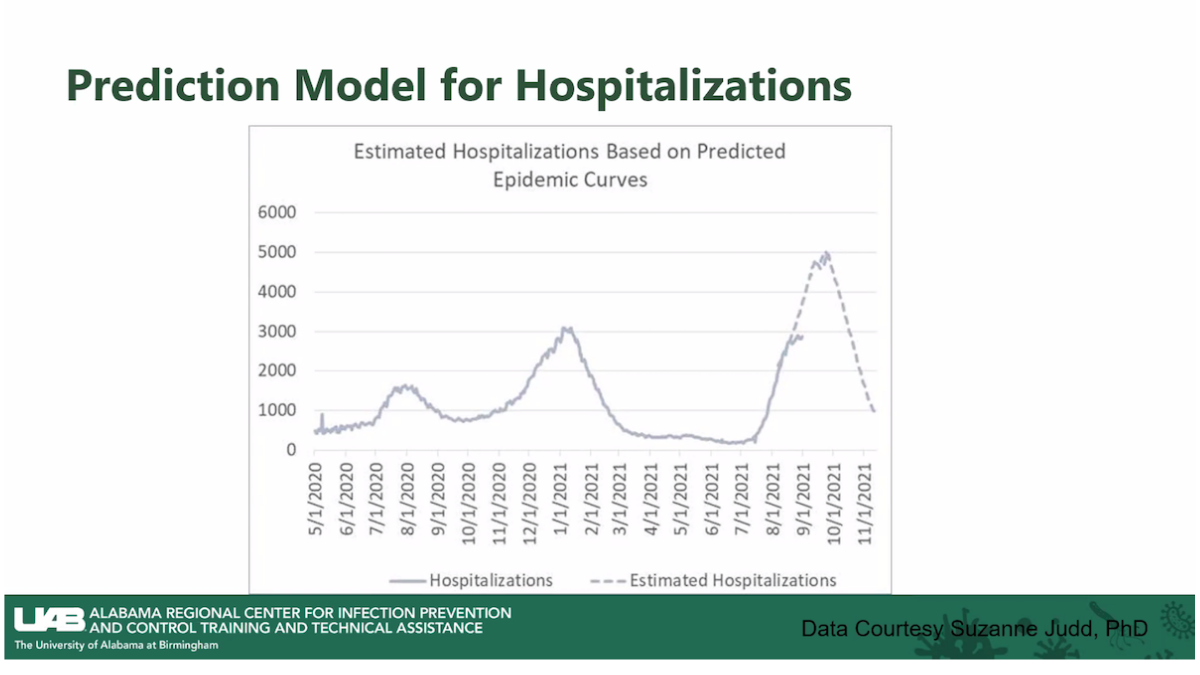
Meanwhile, the state’s number of hospitalizations continues to inch towards a new record – clocking in at nearly 2,900. Alabama saw just under 3,100 hospitalizations during a peak in January. But recent modeling predicts Alabama’s hospitalizations have not yet peaked for the current surge driven by the highly contagious delta variant.
“If you take all of the ICU beds in Alabama and how many beds are being used right now, we actually have a net negative – which is unheard of,” said Dr. Rachael Lee, a UAB infectious disease expert.
As of Wednesday afternoon, there were 92 more ICU patients than staffed beds.
Vaccine Effectiveness And Continued Immunity
Data from the COVID-19 Real-Time Learning Network shows that in clinical settings the Pfizer, Moderna, and Johnson & Johnson vaccines were effective in fighting the alpha variant, which was first discovered in the U.K.
Meanwhile, there was “slightly reduced effectiveness against infection” caused by the beta variant, which was first discovered in South Africa. But the vaccines “preserved effectiveness against severe COVID-19.” As for the effectiveness against the delta variant, it gets trickier.
“Some [data] say that there is preserved effectiveness, and some [data] that say reduced effectiveness,” Lee said.
A preprint study, meaning it has yet to be peer-reviewed, that followed the six-month effectiveness of the Pfizer vaccine found that the effectiveness of the vaccine in fully vaccinated persons declined by about half – from 88% during the first month to roughly 47% after more than five months.
That spurred the conversation of possible booster shots. Lee said it is not clear at this time whether a booster is needed, but she said what researchers do know is that these vaccines are effective in fighting COVID-19, especially severe symptoms.
“[These vaccines] are more than 90% effective against hospitalizations,” she said.
But what about newer variants like lambda and mu?
“The good news is that we haven’t heard of other areas having an increasing surge with another variant,” she said.
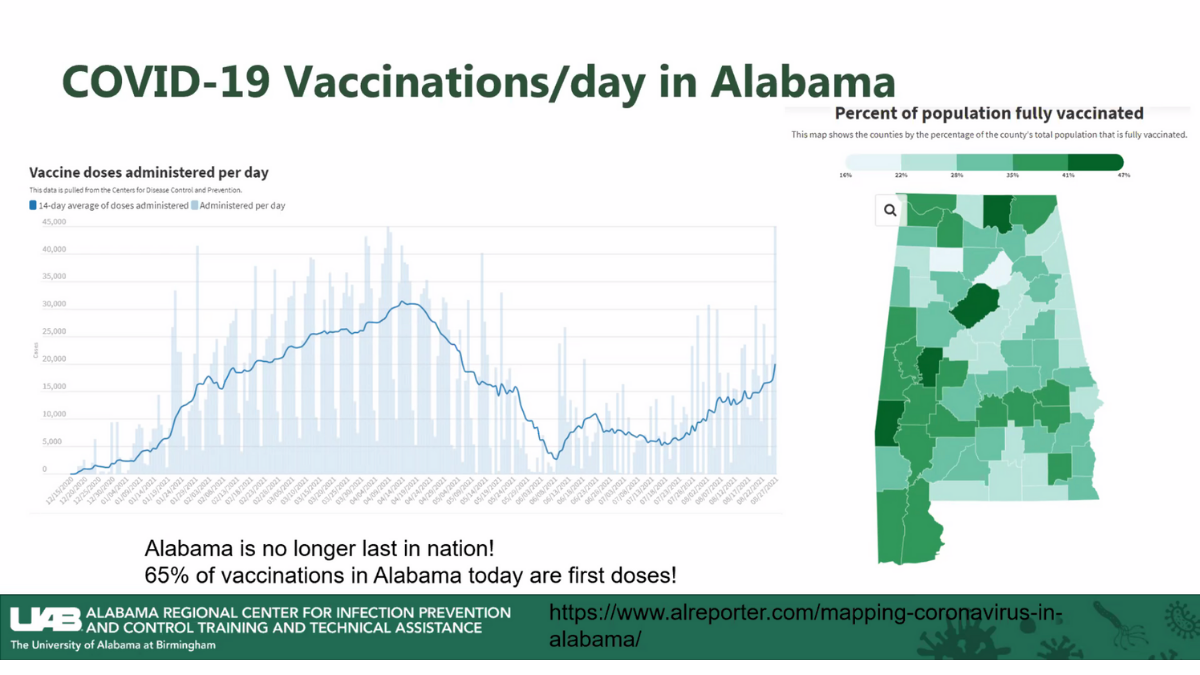
Alabama is no longer last in the country for its vaccination rate. Current data from the Alabama Department of Public Health shows roughly 35% of the state is fully vaccinated.
Lee is also hopeful kids younger than 12-years-old will be cleared for a lower dose of the vaccine beginning in October or November.

Q&A: How harm reduction can help mitigate the opioid crisis
Maia Szalavitz discusses harm reduction's effectiveness against drug addiction, how punitive policies can hurt people who need pain medication and more.

The Gulf States Newsroom is hiring a Community Engagement Producer
The Gulf States Newsroom is seeking a curious, creative and collaborative professional to work with our regional team to build up engaged journalism efforts.
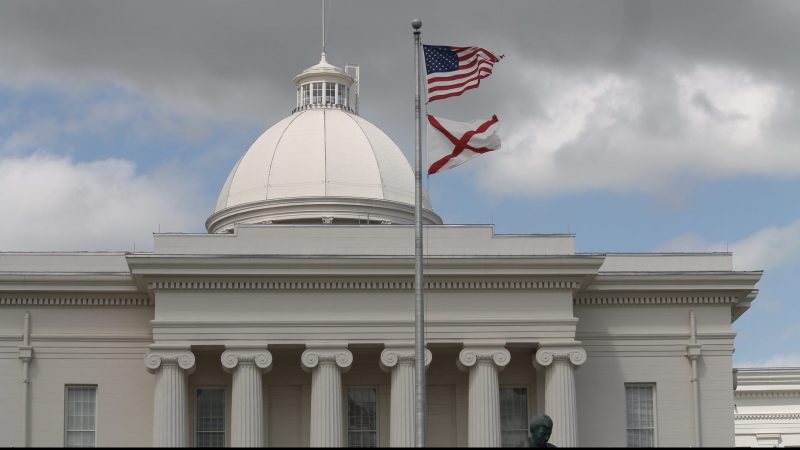
Gambling bills face uncertain future in the Alabama legislature
This year looked to be different for lottery and gambling legislation, which has fallen short for years in the Alabama legislature. But this week, with only a handful of meeting days left, competing House and Senate proposals were sent to a conference committee to work out differences.
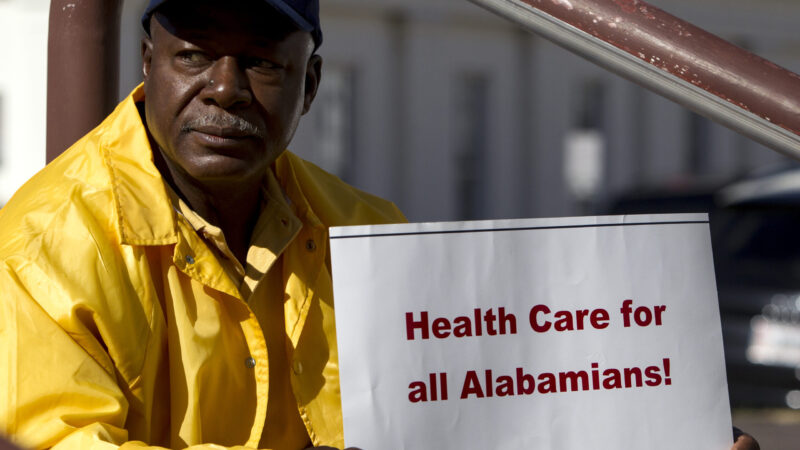
Alabama’s racial, ethnic health disparities are ‘more severe’ than other states, report says
Data from the Commonwealth Fund show that the quality of care people receive and their health outcomes worsened because of the COVID-19 pandemic.

What’s your favorite thing about Alabama?
That's the question we put to those at our recent News and Brews community pop-ups at Hop City and Saturn in Birmingham.
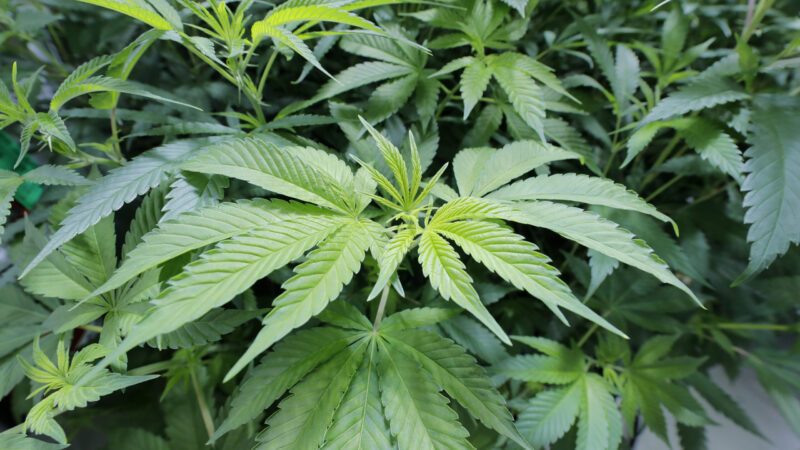
Q&A: A former New Orleans police chief says it’s time the U.S. changes its marijuana policy
Ronal Serpas is one of 32 law enforcement leaders who signed a letter sent to President Biden in support of moving marijuana to a Schedule III drug.